0800 874 532Free call Get a free quote
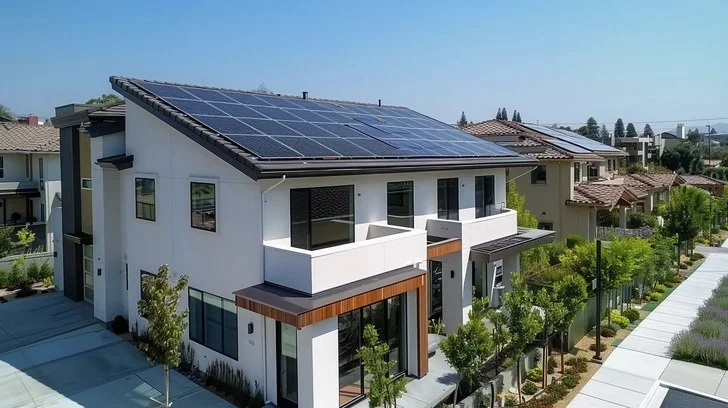
Aerial view of a home with rooftop solar panels

Choosing the right setup for your household

Every home has unique energy needs, physical layouts and daily routines. When installing solar, understanding the available system configurations is the first step toward energy independence and lower monthly utility bills.

Residential solar options range from simple daytime generation setups to comprehensive hybrid storage solutions and fully independent off-grid systems. This section breaks down the core home system types to help you determine which configuration fits your property.

System types overview

Residential solar setups generally fall into three main categories, depending on how they interact with the public electricity grid:

Grid-Tied Systems (Panels Only)

The simplest and most cost-effective entry point into solar energy. These systems connect directly to your home and the national grid without a battery.

Panels only explained
Hybrid Systems (Panels + Battery Storage)

The fastest-growing choice for modern homes. These systems combine solar panels, a hybrid inverter and a battery bank, letting you store energy and maintain backup power.

About batteries
Off-Grid Systems (Standalone)

Completely independent systems designed for remote properties where connecting to the public power lines is unavailable or cost-prohibitive.

Off-grid explained
How solar works

From sunlight to switchboard.

Grid-tied: lowest upfront cost, fast payback.

Solar powers your home first. Anything left over flows to the grid and earns credits on your bill.

  • Lowest upfront outlay, fast payback
  • Minimal maintenance, no battery to manage
  • Automatic switch between solar and grid
Calculate my savings
Real-time power flowExample home
Sun Panels Inverter Home Battery Grid
Solar5.2 kW
Home2.1 kW
Battery—
Grid+3.1 kW

Panels only (grid-tied)

A panel-only setup is designed to offset your daytime electricity usage directly:

  • Daytime Operation: When the sun is shining, your solar panels generate electricity to power active household appliances like refrigerators, lighting and home offices.
  • Grid Export: If your panels produce more energy than your home is consuming, the excess electricity flows out to the public grid.
  • Night-time Reliance: Because there is no battery storage, your home draws 100% of its night-time power needs from the utility grid.
  • Best For: Homeowners who are frequently home during daylight hours or those looking for the lowest upfront installation cost with immediate bill savings.
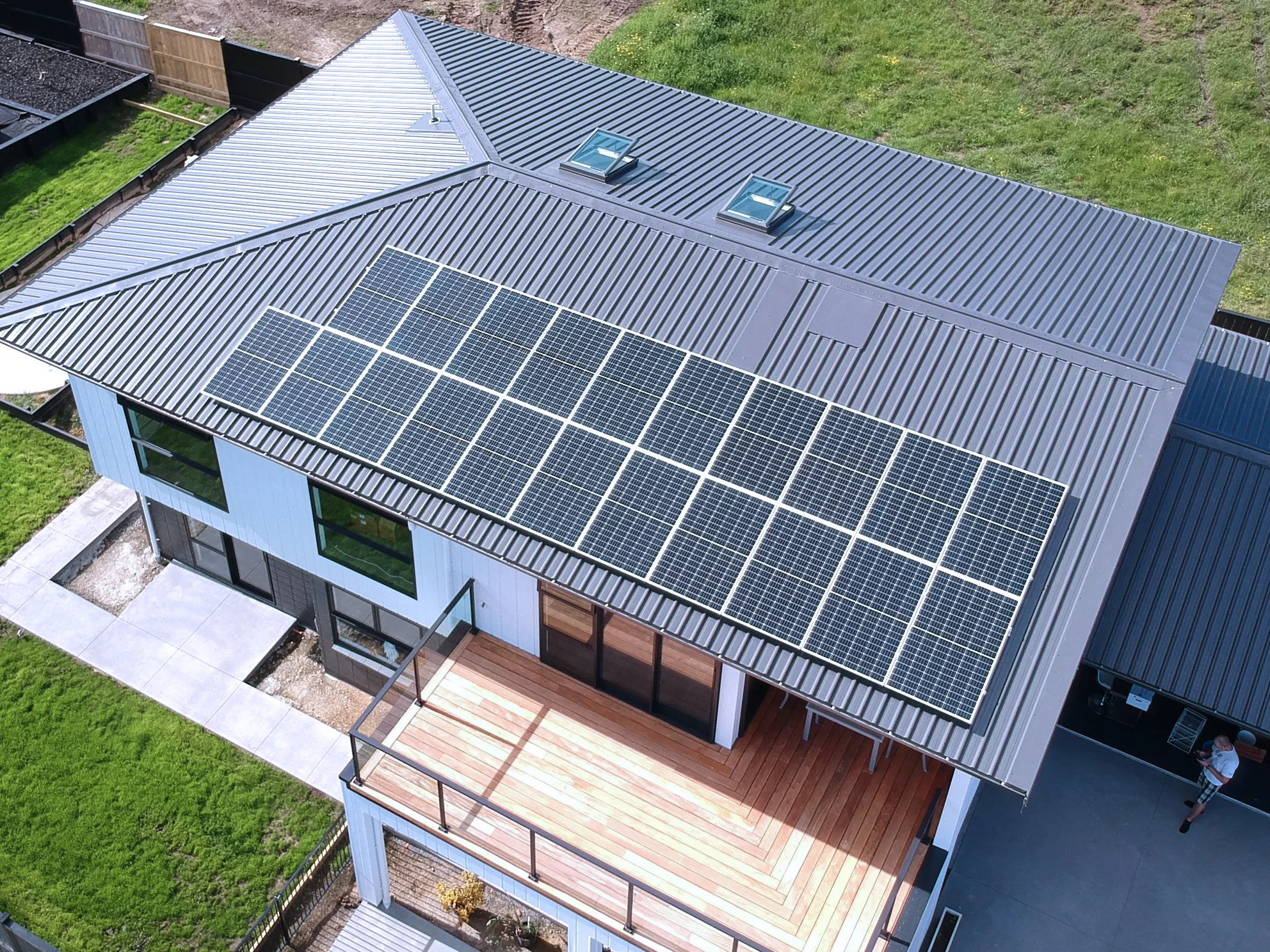
Home with a large rooftop solar array and timber deck

Feeding the grid (exporting & smart meters)

When your solar system generates surplus power, your relationship with your electricity retailer shifts into a two-way exchange:
  • Bi-Directional Smart Meters: A modern import/export meter tracks both the extra power you send out to the grid (export) and any additional electricity you import during low-light hours.
  • Feed-in Tariffs: Power retailers credit your account for every kilowatt-hour of surplus solar energy you export, helping to further reduce your overall monthly utility statement.
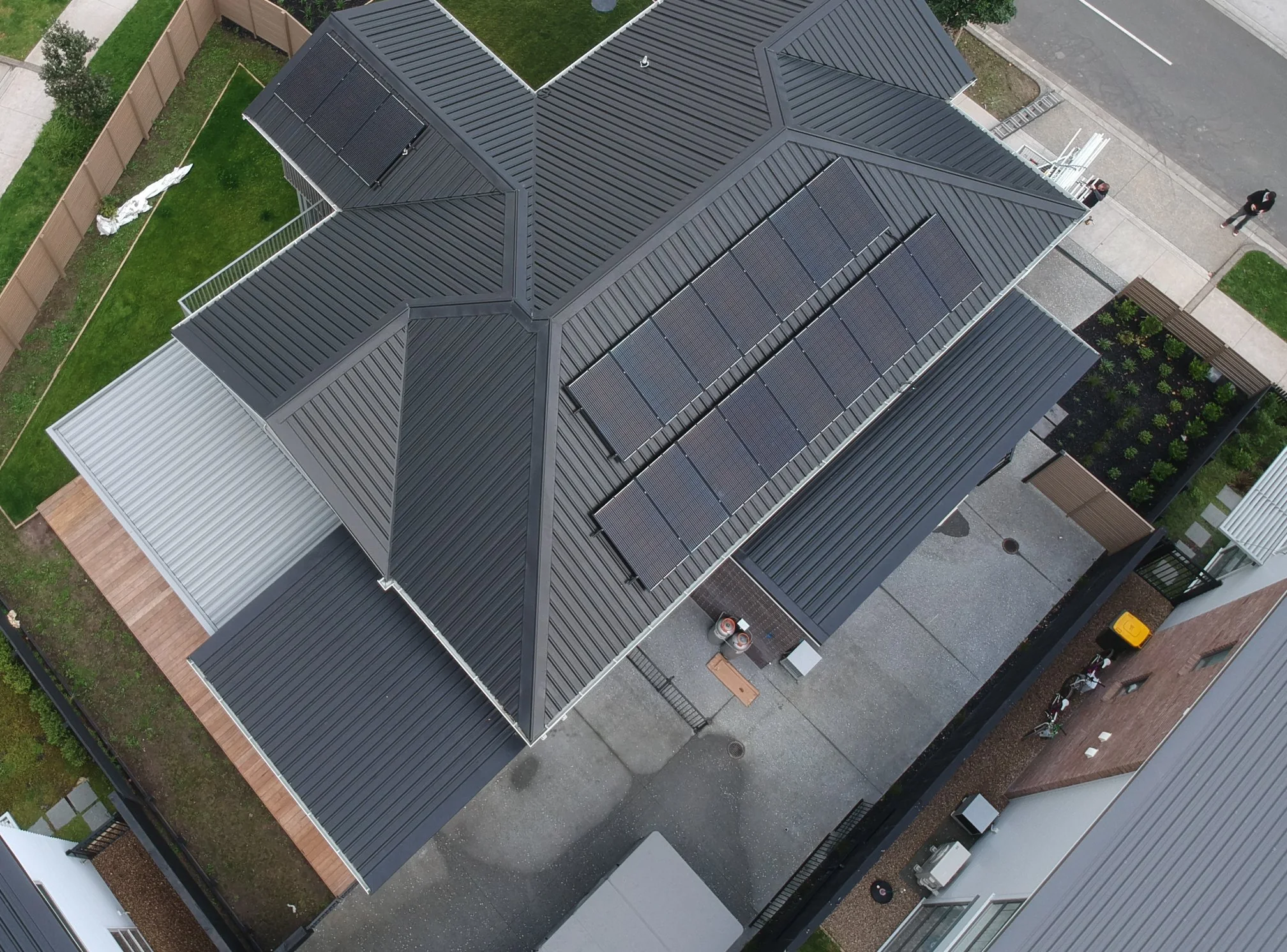
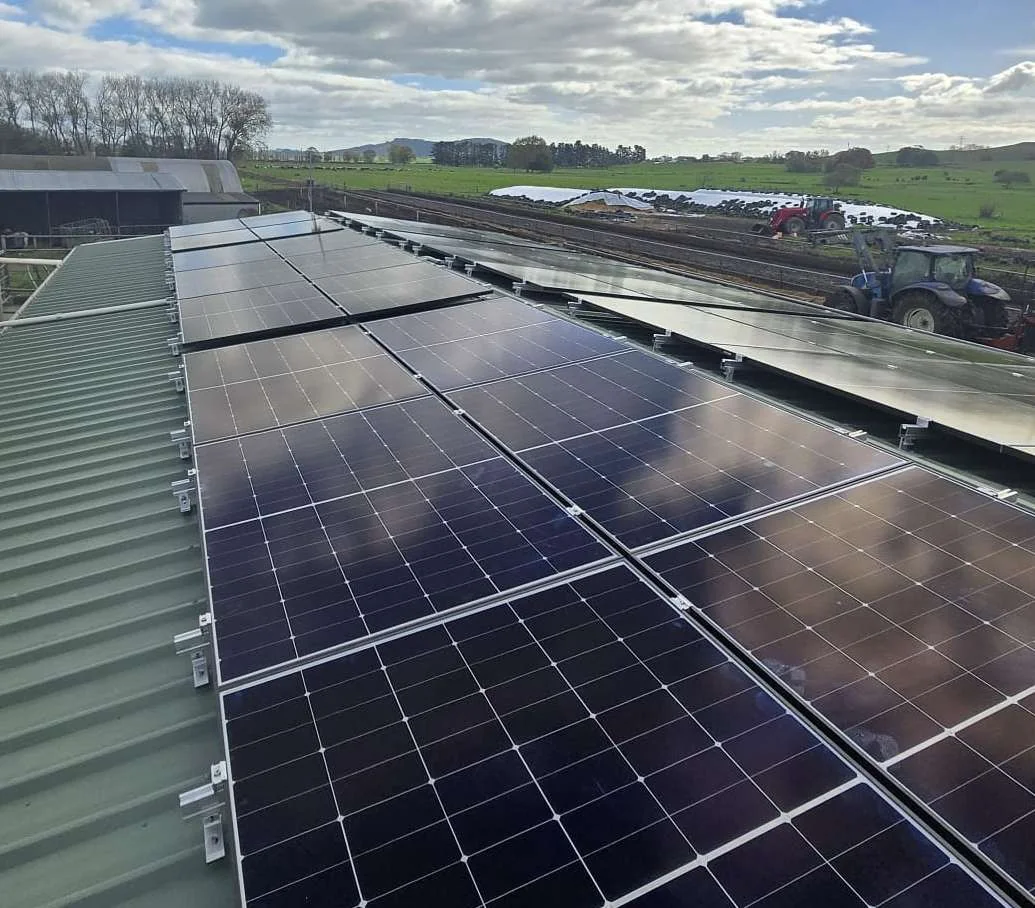
Close-up of rooftop solar panels in daylight

Off-grid systems

For remote properties, baches or rural homes without access to mains power lines, off-grid systems offer complete self-sufficiency:

  • Total Independence: These systems operate entirely separately from the national grid, meaning you are completely protected from public power outages and rising utility tariffs.
  • System Design: Because there is no grid safety net to rely on if weather conditions reduce generation, off-grid systems require oversized solar panel arrays, substantial battery storage banks and usually a backup diesel generator.
  • Higher Upfront Investment: Due to the large hardware requirements, off-grid setups carry a higher initial cost compared to standard grid-tied or hybrid installations.
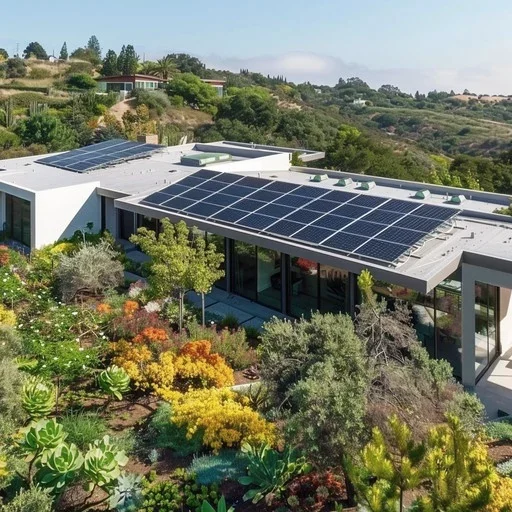
Home with rooftop solar surrounded by native garden