
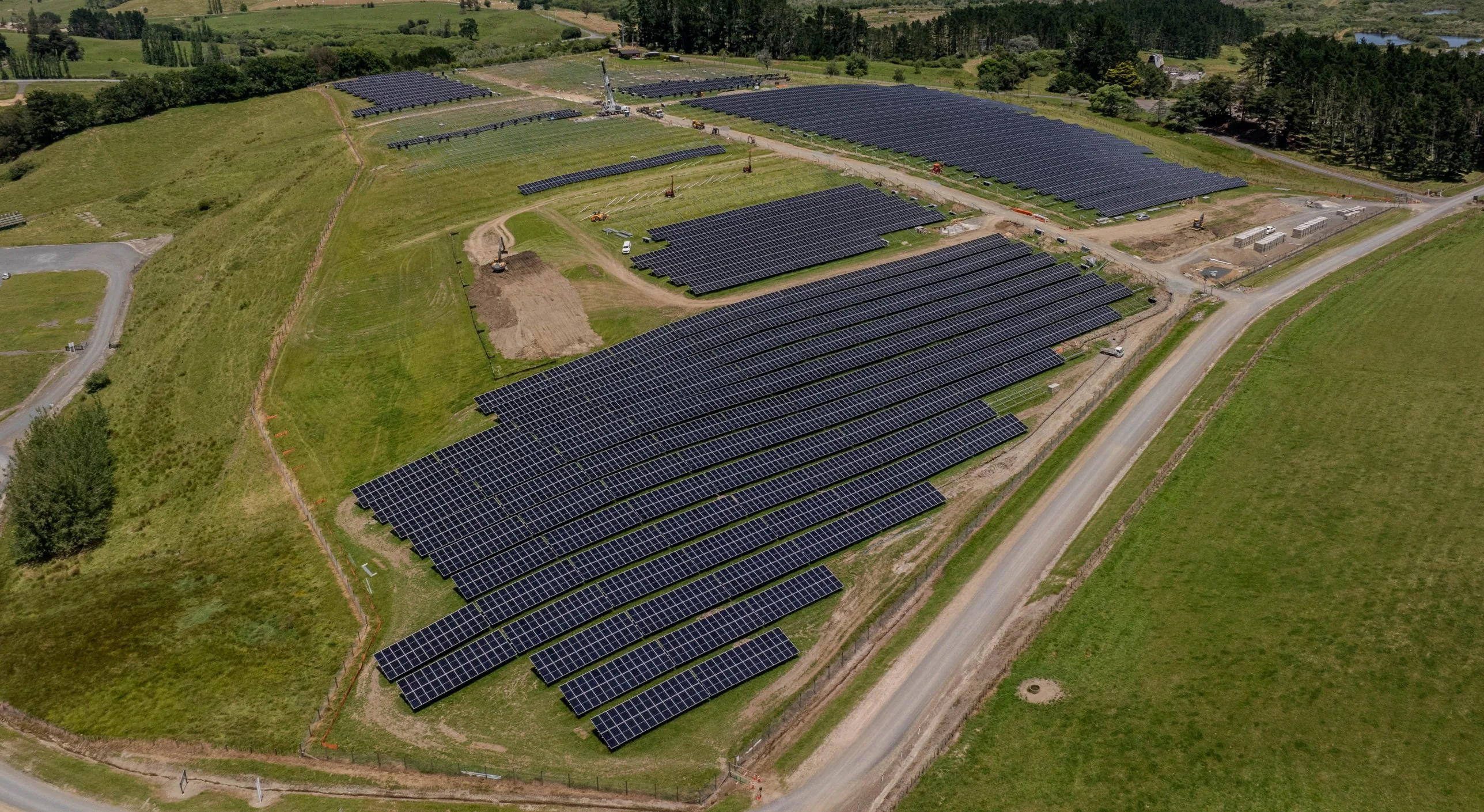
Building your system.
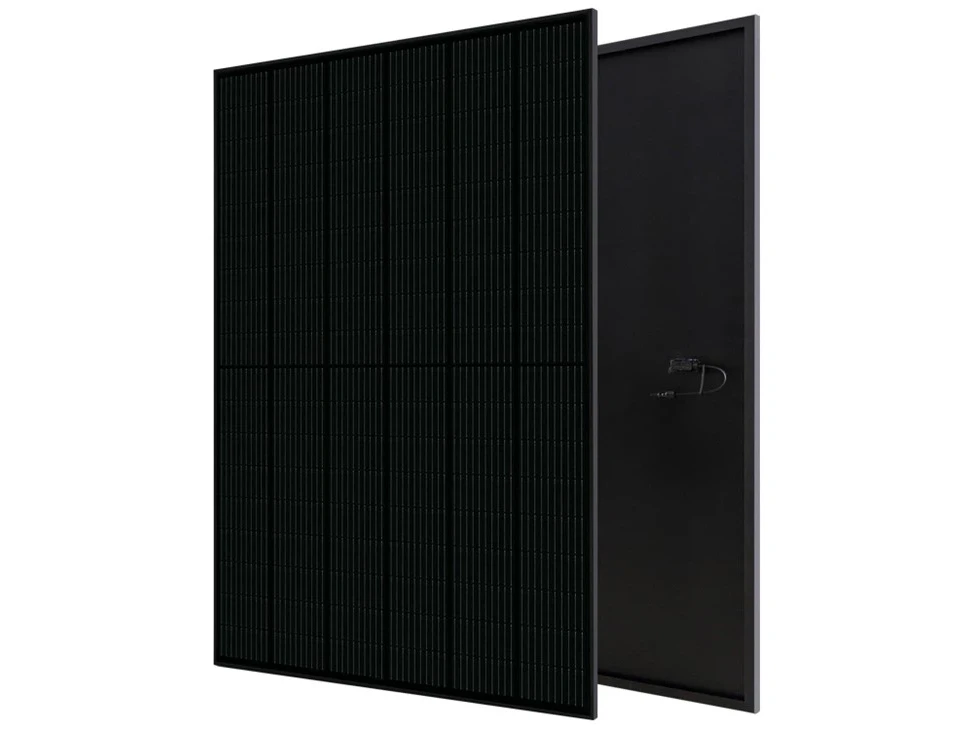 Solar Panels
- Monocrystalline, highest efficiency ratings
- Sleek all-black look for modern rooflines
- Less roof space for your target output
- 25-year product warranty (residential)
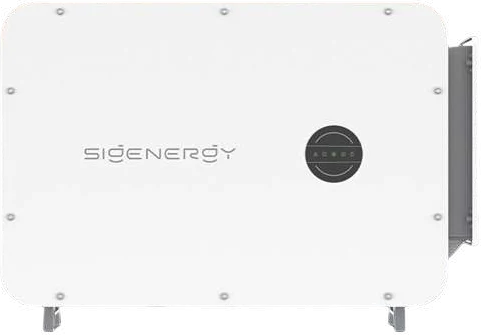 Solar Inverter
- Battery ready, easy upgrade to PV + storage
- Smaller and lighter for easier installation
- Industry-leading AFCI safety
- IP66 rated for outdoor use
 Controller / Gateway
- EMS-integrated intelligent management
- Up to 4 MPP trackers
- 150% peak output in off-grid mode
- Unbalanced 3-phase output
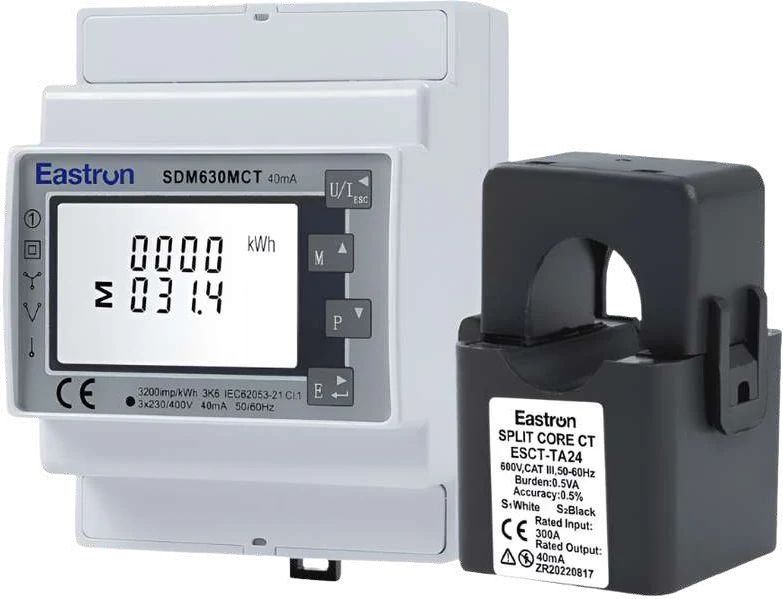 Power Sensor
- 1% high-accuracy power detection
- 100 ms data refresh rate
- LCD real-time display
- 100A direct connection with built-in CT
Solar panels
Introduction: The Foundation of Your Solar Generation
Solar panels act as the primary power generators for your property, capturing energy from sunlight and transforming it into usable electricity. Selecting the right solar panels is critical because they form the most visible and heavily exposed part of your renewable energy setup, enduring decades of changing weather, intense ultraviolet radiation, wind and thermal expansion.
Modern solar panels, often referred to as photovoltaic (PV) modules, have advanced significantly in recent years. Today's high-performance panels are engineered to maximise light capture, operate reliably across all seasons and maintain high structural integrity for over 25 to 30 years.
How Solar Panels Convert Sunlight into Electricity
At the heart of every solar panel are photovoltaic cells, typically made from ultra-pure silicon.
- 01Absorption of Photons
When sunlight strikes the surface of a solar panel, photons (light particles) transfer their energy to electrons within the silicon crystal lattice.
- 02Electron Excitation
This transferred energy knocks electrons loose, causing them to flow freely and create an electrical current.
- 03Direct Current (DC) Generation
The panel's internal electrical pathways collect this flowing current and route it out as Direct Current (DC) electricity, which is then sent down to your central inverter.
Core Technologies: Monocrystalline vs. Polycrystalline Panels
When choosing solar panels for your home or business, you will generally encounter two primary types of silicon panel technology:
Monocrystalline Panels
- Manufacturing: Cut from a single, pure, continuous crystal of high-purity silicon.
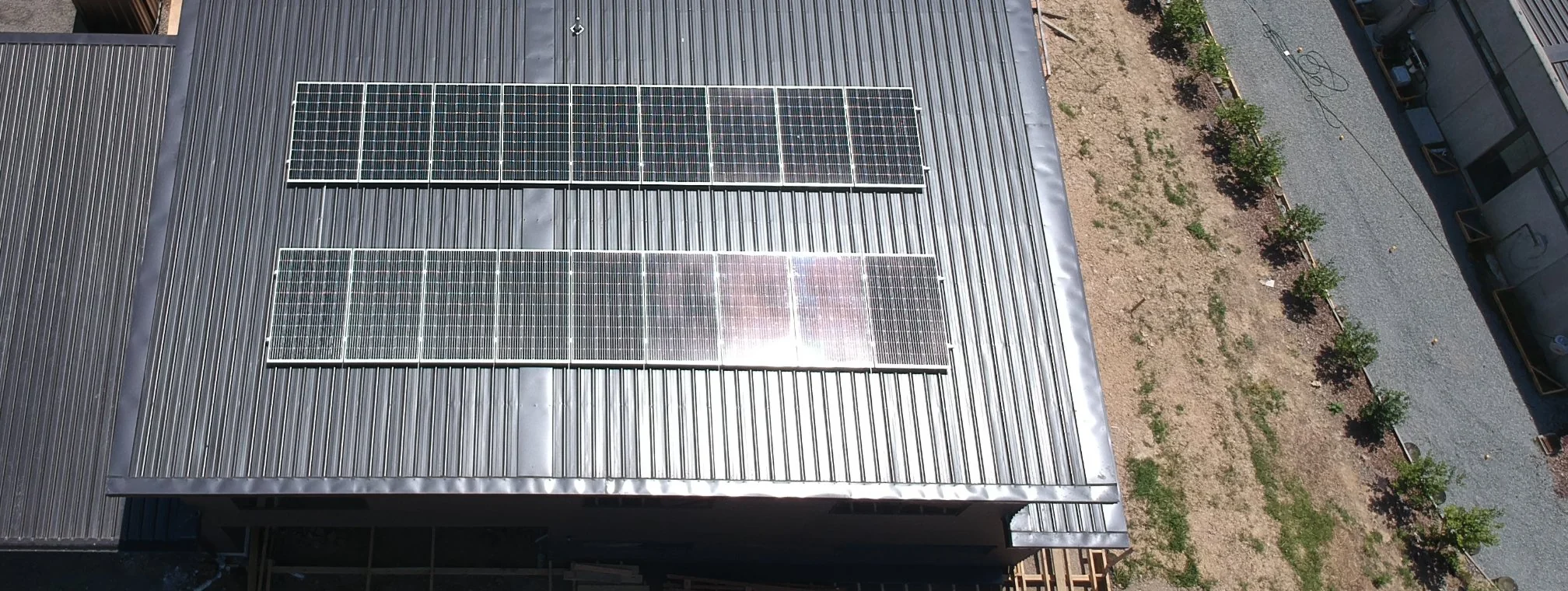
- Efficiency & Performance: Offer the highest energy efficiency ratings, meaning they generate more electricity per square metre. They also perform exceptionally well in low-light and high-temperature conditions.
- Aesthetics & Space: Feature a sleek, uniform dark-black appearance that blends smoothly into modern rooflines. Because of their high efficiency, they require less roof space to achieve your target power output.
Polycrystalline Panels
- Manufacturing: Formed by melting multiple fragments of silicon together into a larger block, which is then cut into individual wafers.
- Efficiency & Performance: Deliver slightly lower efficiency ratings (typically between 17% and 20%) compared to monocrystalline panels.
- Aesthetics & Space: Display a textured, marbled blue appearance. They require a larger physical surface area to produce the same volume of electricity, making them more suitable for expansive commercial or rural ground-mounted installations where space is not restricted.
Inverters
Introduction: The Brain of Your Solar Power System
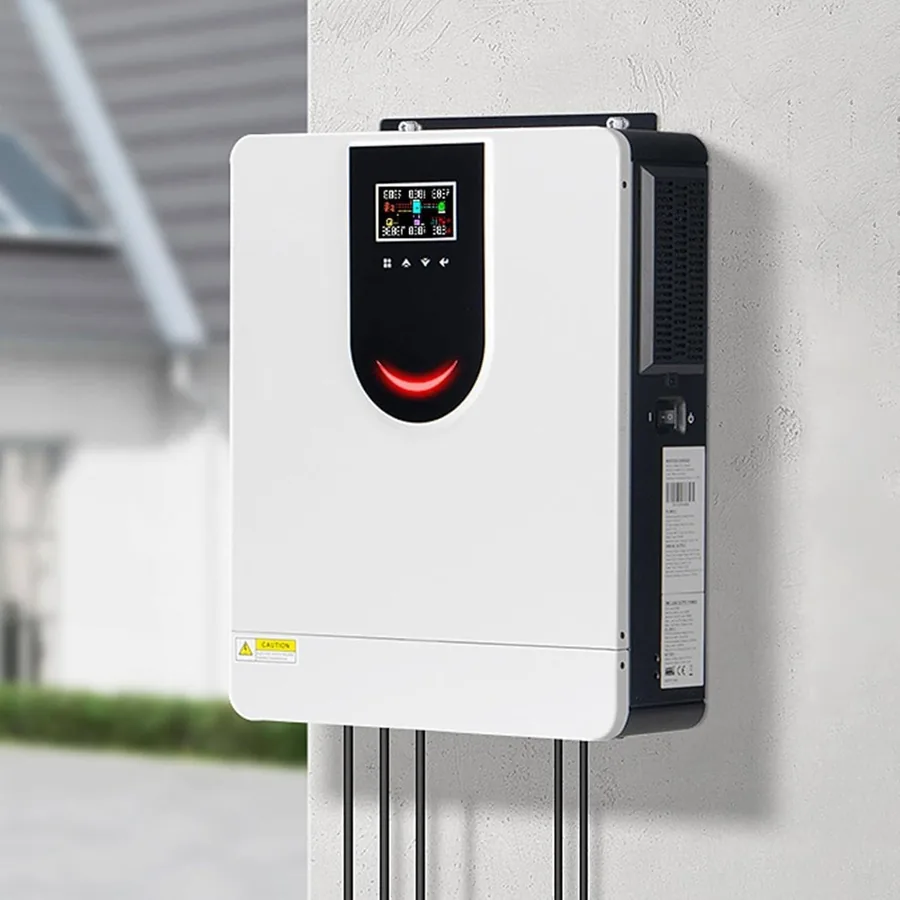
While solar panels are responsible for capturing sunlight and generating electricity, the inverter acts as the central brain and command centre of your entire system. Solar panels naturally produce Direct Current (DC) electricity, but your home appliances, lighting, heating systems and electronics operate on Alternating Current (AC) power.
An inverter performs the critical job of converting raw DC electricity into stable, usable 240V AC power. Beyond simple conversion, modern high-performance inverters monitor system performance, optimise electrical output, manage battery storage and ensure safety compliance with the local electricity grid.
How Inverters Convert and Manage Power
The conversion process involves several automated steps executed continuously while the sun is shining:
- 01DC Voltage Regulation
Raw electricity flowing from the rooftop panels fluctuates depending on cloud cover, temperature and sunlight intensity. The inverter regulates this incoming voltage.
- 02DC-to-AC Inversion
Using advanced solid-state electronic switching circuits, the inverter transforms the direct current into smooth, synchronised alternating current matching standard household specifications.
- 03Maximum Power Point Tracking (MPPT)
High-efficiency inverters feature built-in MPPT algorithms. These constantly adjust electrical resistance to ensure the solar panels operate at their absolute peak efficiency point under changing environmental conditions.
- 04Grid Synchronisation
For grid-tied systems, the inverter matches its frequency and phase perfectly with the local utility grid before feeding surplus power back through your smart meter.
Controllers (solar charge controllers)
Introduction: The Gatekeeper of Battery Health
When your solar installation includes battery storage, such as in a hybrid or off-grid system, a solar charge controller becomes one of the most vital components in the circuit. Installed directly between your rooftop solar panels and your battery bank, the charge controller regulates the flow of electricity to ensure batteries are charged safely, efficiently and to their maximum lifespan.
Without a charge controller, raw power from solar panels could overcharge a battery bank, leading to severe thermal degradation, reduced storage capacity or permanent hardware failure. Modern charge controllers protect your investment by automatically adjusting voltage, preventing reverse night-time current flow and optimising energy conversion.
Batteries (energy storage systems)
Introduction: Unlocking 24/7 Solar Power
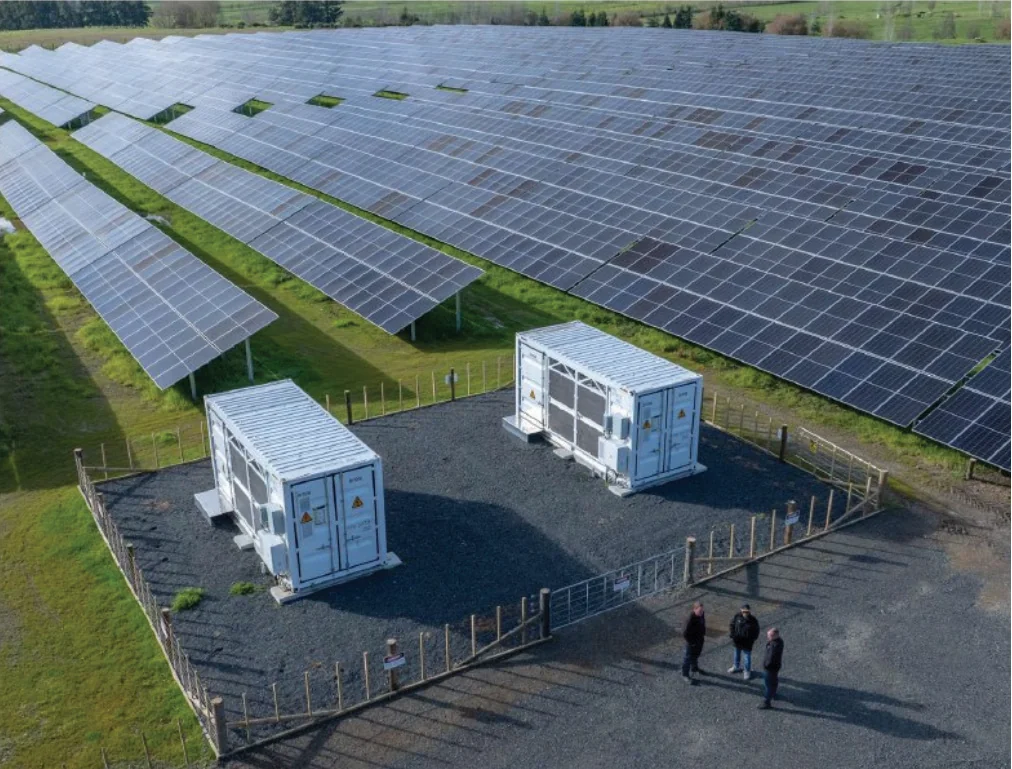
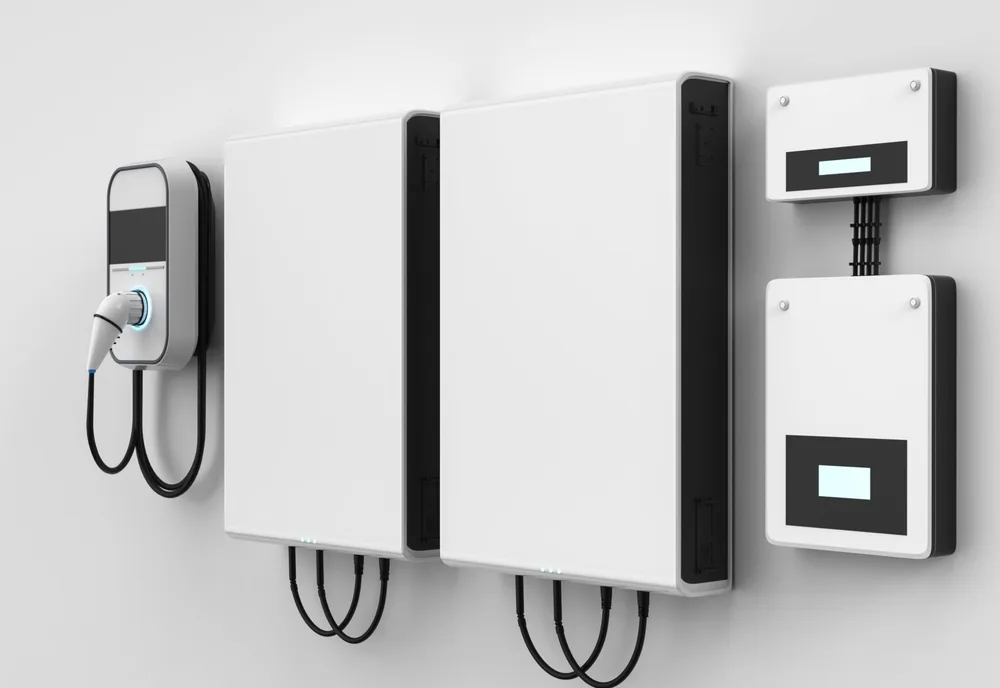
While solar panels and inverters generate and convert electricity during daylight hours, adding a battery storage system transforms your property into a true 24/7 self-sustaining power station. Without a battery, any surplus solar energy your panels produce during the day is automatically exported back to the utility grid, leaving you to purchase retail electricity from your power company as soon as the sun goes down.
A modern solar battery captures that excess daytime energy and stores it safely. This allows you to run your home or business on free solar electricity during expensive peak evening hours, while also providing crucial emergency backup protection if the public grid fails.
How Solar Battery Storage Works
The operation of a solar battery system integrates smoothly with your daily power generation cycle:
- 01Daytime Charging
While your solar panels power your active daytime appliances, any extra electrical generation is automatically routed into the battery bank to replenish its storage reserve.
- 02Evening Self-Consumption
When the sun sets and your solar array stops producing energy, your home automatically switches to draw from the stored battery power, keeping your lighting, refrigeration and appliances running without pulling expensive grid power.
- 03Grid Balancing & Export
Once your battery reaches 100% capacity, any remaining surplus energy can still be exported to the local electricity grid to earn feed-in tariff credits.
- 04Emergency Blackout Protection
If a grid outage occurs, advanced hybrid inverter systems isolate your home from the street lines and use stored battery energy to power essential household circuits.
EV charging & monitoring
Introduction: Future-Proofing Your Home with EV Charging & Smart Monitoring
As New Zealand transitions rapidly toward electric vehicles (EVs) and smart home electrification, managing your household energy consumption has never been more important. Adding an EV charger and a comprehensive monitoring platform ensures your property can handle future energy demands while giving you real-time control over power generation and consumption.
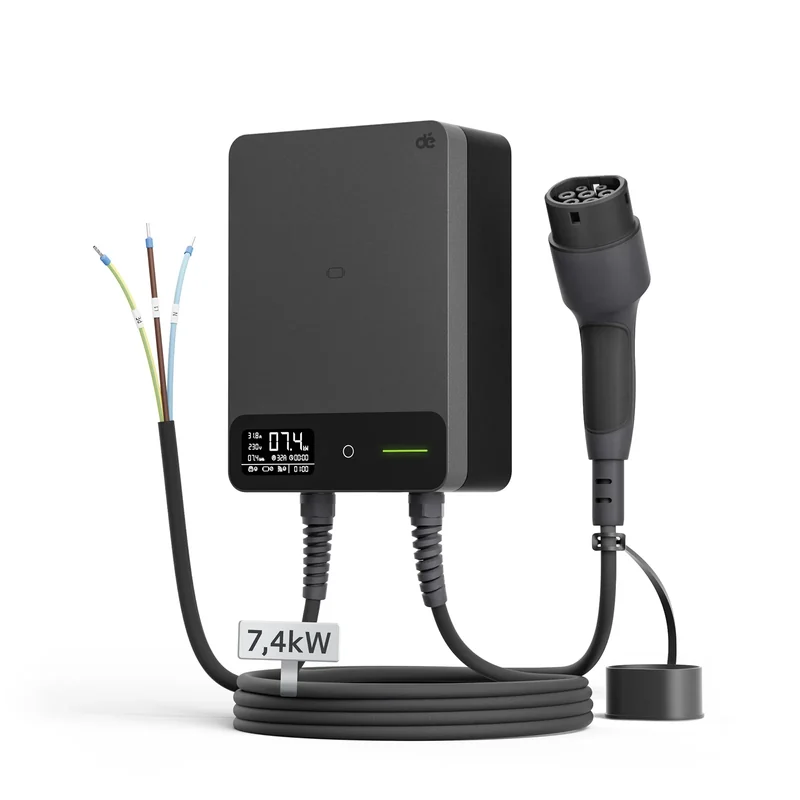
A dedicated EV charger paired with an intelligent monitoring app transforms your solar setup into a fully synchronised energy ecosystem. Instead of drawing expensive grid electricity to charge your car overnight, you can program your system to fuel your vehicle with free solar power or low-cost off-peak electricity.
EV Charging Integration with Solar
Integrating an electric vehicle charger with your solar system creates a highly efficient cycle of clean transportation:
- Solar-Powered Driving: By charging your EV during peak daylight hours, your vehicle runs directly on free energy generated by your rooftop panels rather than fossil-fuel power from the grid.
- Smart Charge Scheduling: Modern EV chargers feature smart software that allows you to set automated charging schedules. You can configure the system to prioritise surplus solar charging during the day or switch to overnight off-peak rates when utility tariffs drop.
- Dynamic Load Balancing: Advanced smart chargers monitor your home's total electrical load in real time. If your household suddenly turns on high-demand appliances (such as an oven or heat pump), the charger automatically adjusts the vehicle's charging speed to prevent tripping your main electrical switchboard.
- Type 2 Compatibility: Standard residential EV chargers provide fast, secure Level 2 AC charging compatible with all major EV makes and models available in New Zealand.
Real-Time System Monitoring & Mobile Apps
Visibility is key to getting the most financial value out of your solar investment. Modern monitoring systems put complete control directly into your pocket via smartphone apps and web dashboards:
- Live Generation Tracking: Watch in real time exactly how many kilowatts your solar array is producing, second by second, as cloud cover changes throughout the day.
- Energy Flow Animation: Visual diagrams show your home's energy dynamics, instantly displaying whether your solar power is running your appliances, charging your battery, powering your EV or exporting surplus energy back to the grid.
- Historical Data & Analytics: Review daily, weekly, monthly and yearly production reports to track your cumulative savings, self-sufficiency percentages and grid reliance.
- Fault Detection & Remote Support: Monitoring platforms alert both you and your installer instantly if an anomaly occurs, allowing technical support teams to diagnose system performance remotely without needing an immediate on-site visit.