
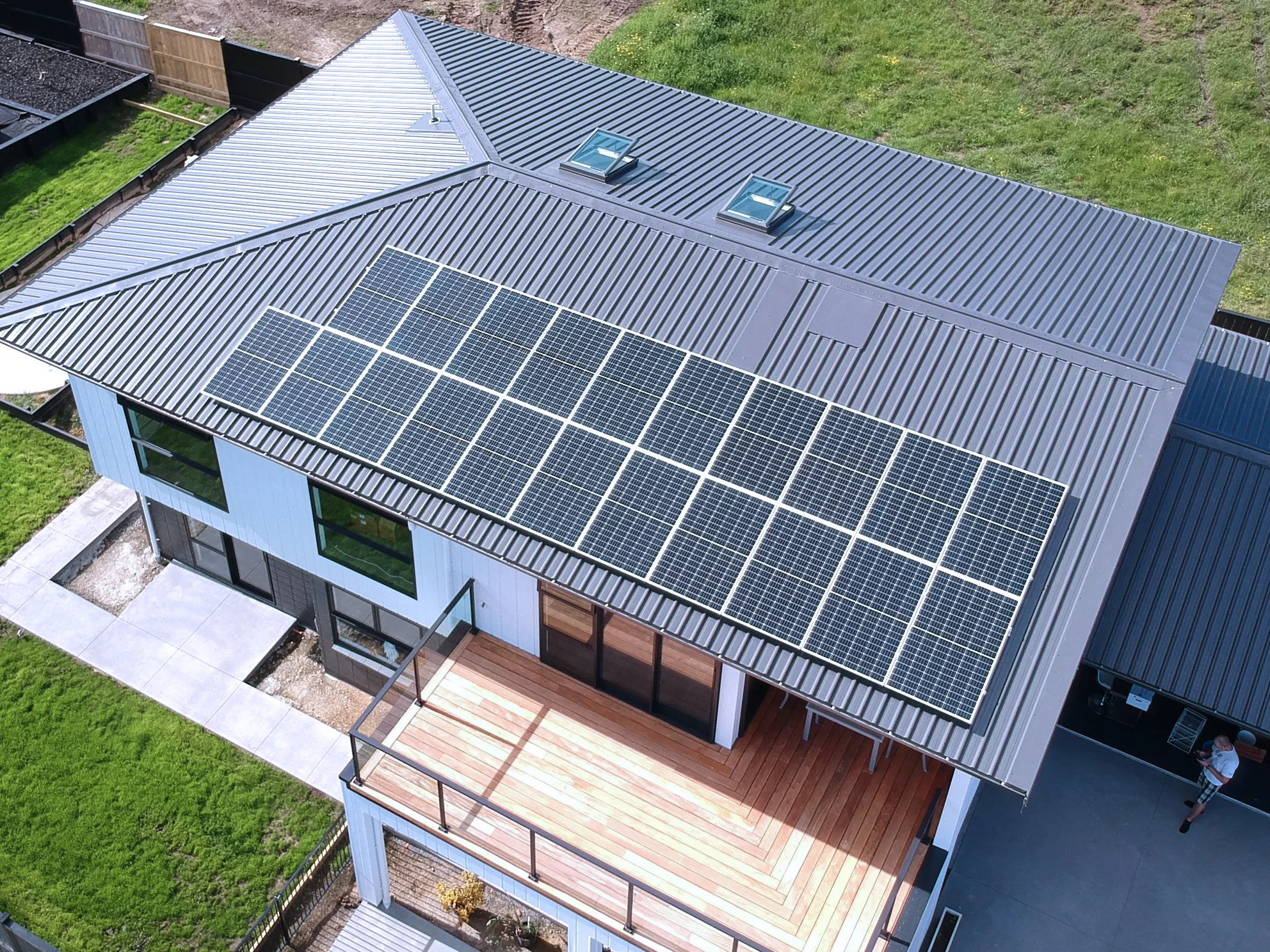
Grid-Tied Systems (Panels Only)
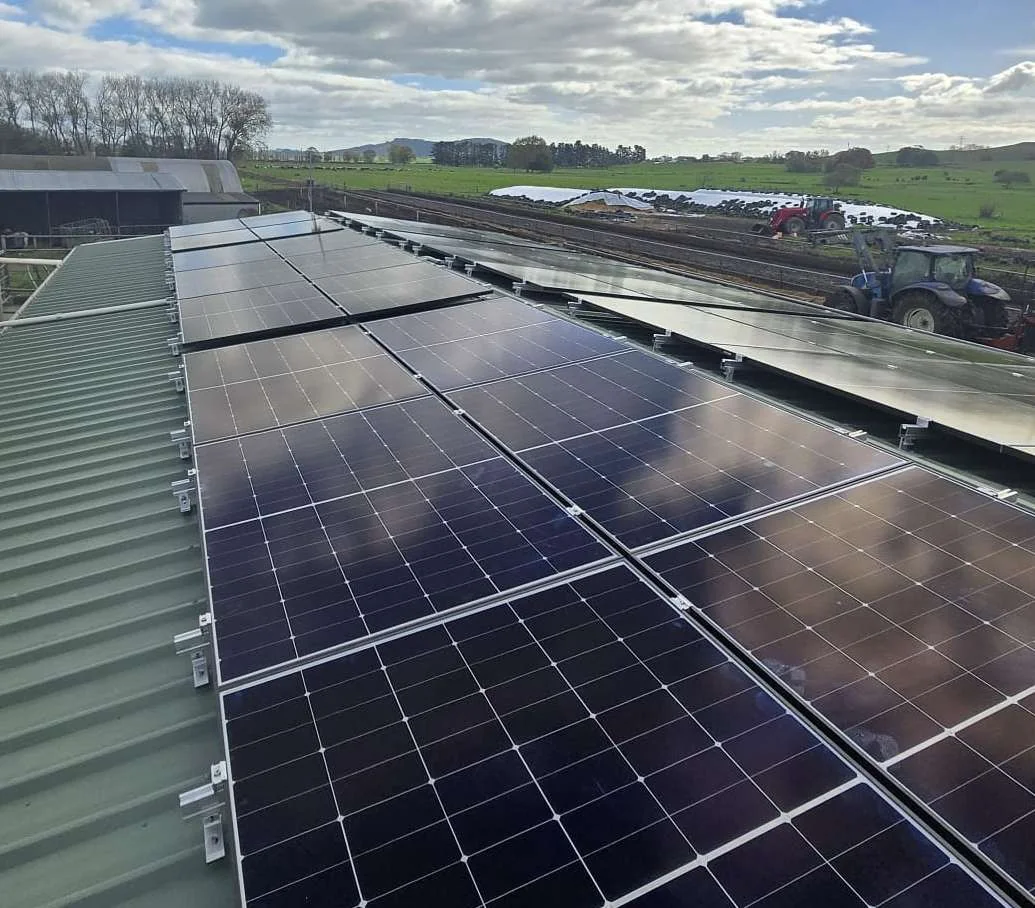
The simplest and most cost-effective entry point into solar energy. These systems connect directly to your home and the national grid without a battery.
Panels only explained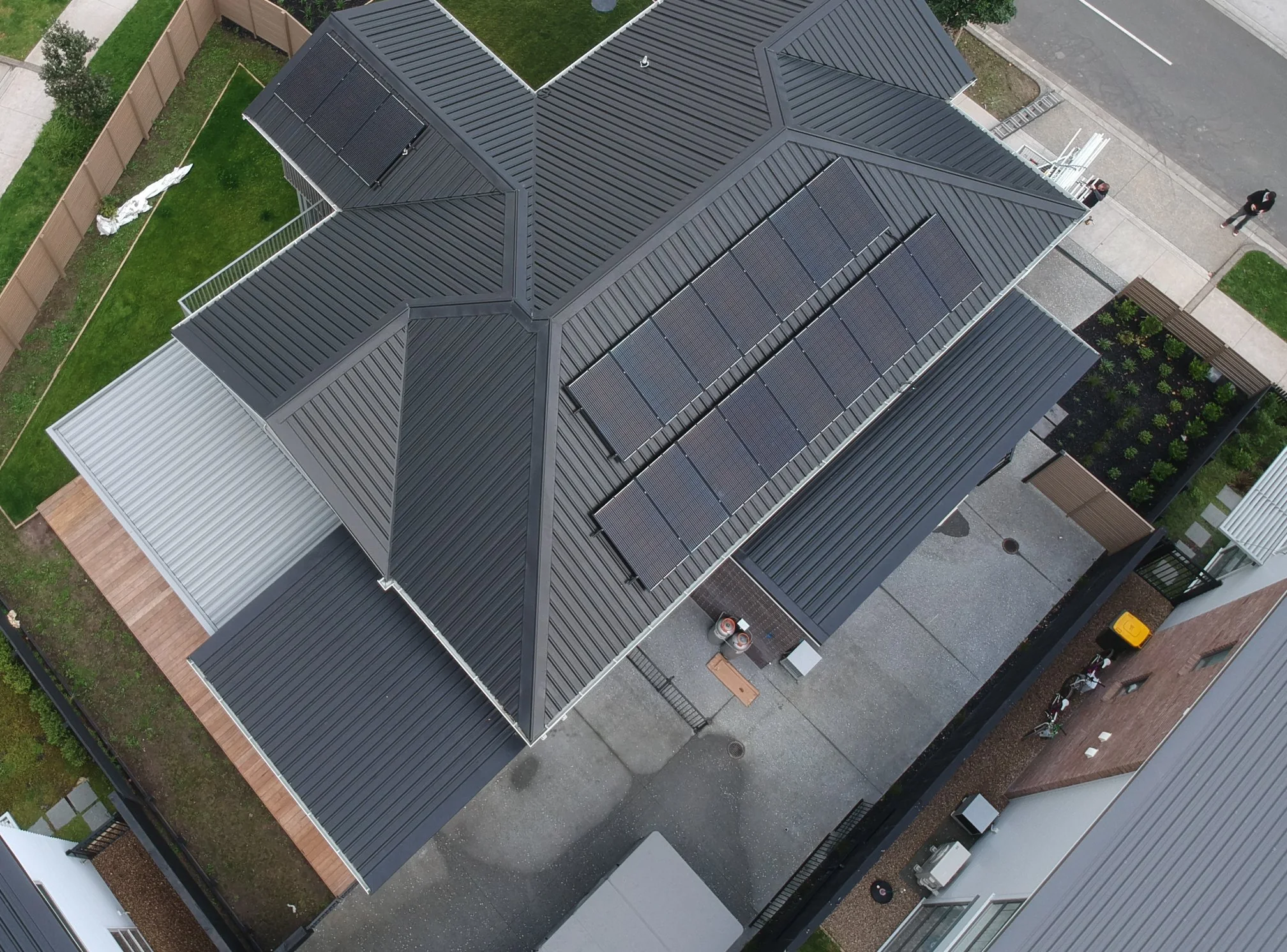
Every home has unique energy needs, physical layouts and daily routines. When installing solar, understanding the available system configurations is the first step toward energy independence and lower monthly utility bills.
Residential solar options range from simple daytime generation setups to comprehensive hybrid storage solutions and fully independent off-grid systems. This section breaks down the core home system types to help you determine which configuration fits your property.
Residential solar setups generally fall into three main categories, depending on how they interact with the public electricity grid:
The simplest and most cost-effective entry point into solar energy. These systems connect directly to your home and the national grid without a battery.
Panels only explained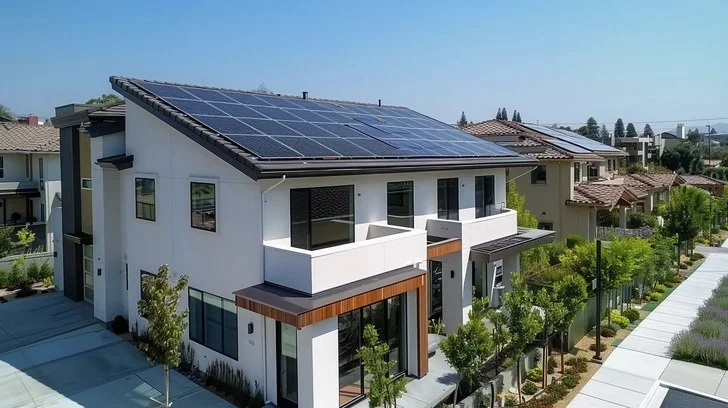
The fastest-growing choice for modern homes. These systems combine solar panels, a hybrid inverter and a battery bank, letting you store energy and maintain backup power.
About batteries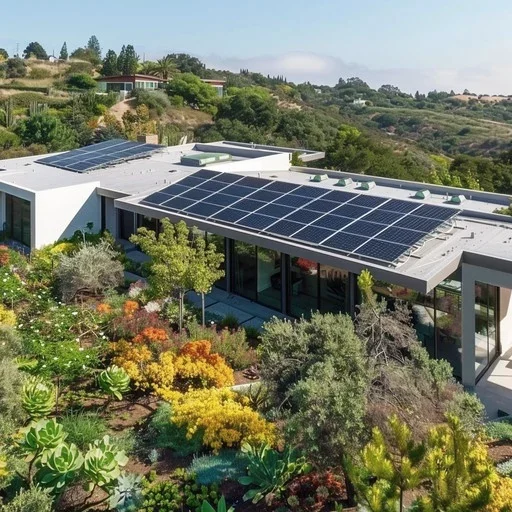
Completely independent systems designed for remote properties where connecting to the public power lines is unavailable or cost-prohibitive.
Off-grid explainedSolar powers your home first. Anything left over flows to the grid and earns credits on your bill.
A panel-only setup is designed to offset your daytime electricity usage directly:
When your solar system generates surplus power, your relationship with your electricity retailer shifts into a two-way exchange:
For remote properties, baches or rural homes without access to mains power lines, off-grid systems offer complete self-sufficiency: