
 01
Your home, powered by the sun
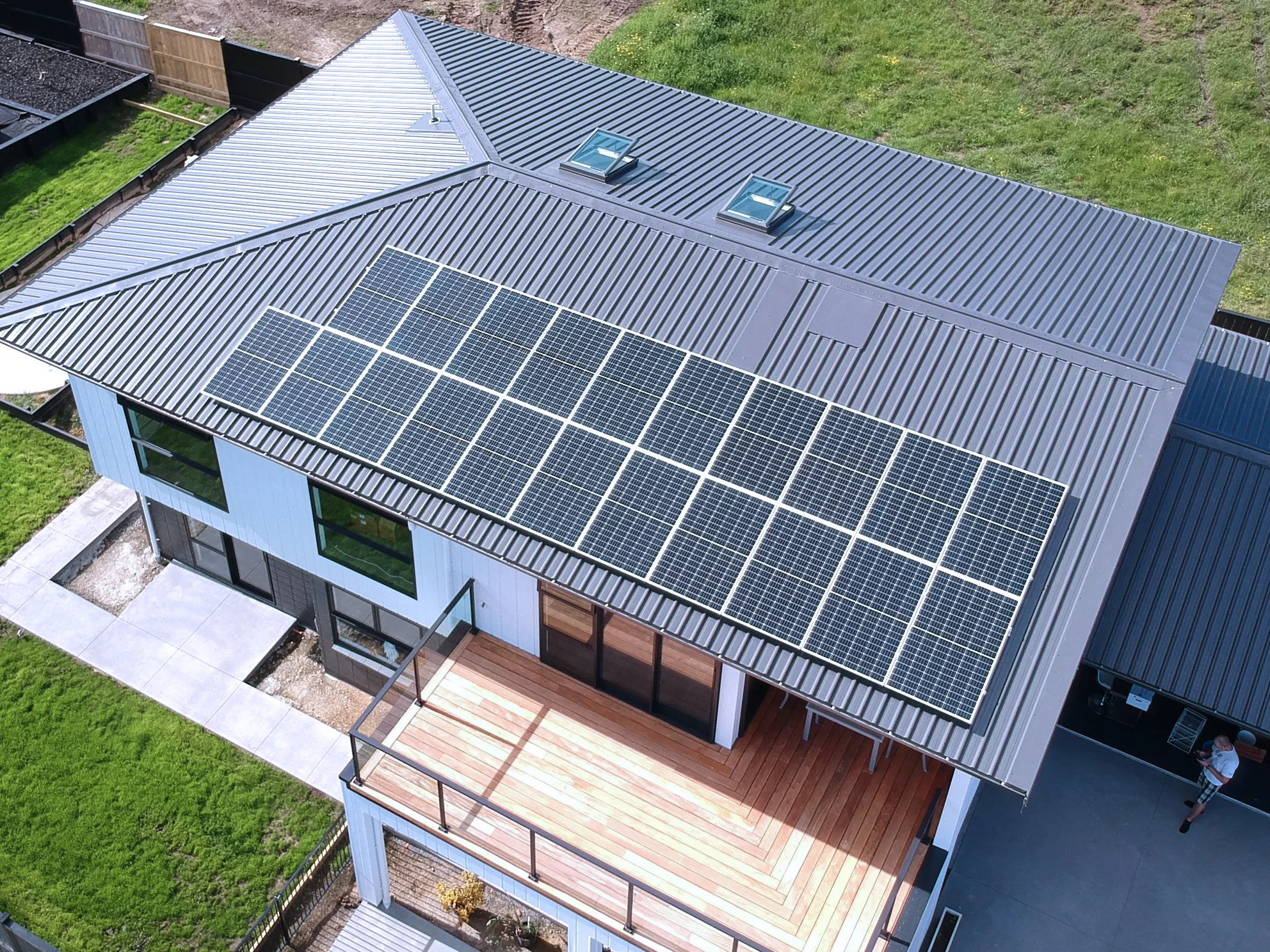
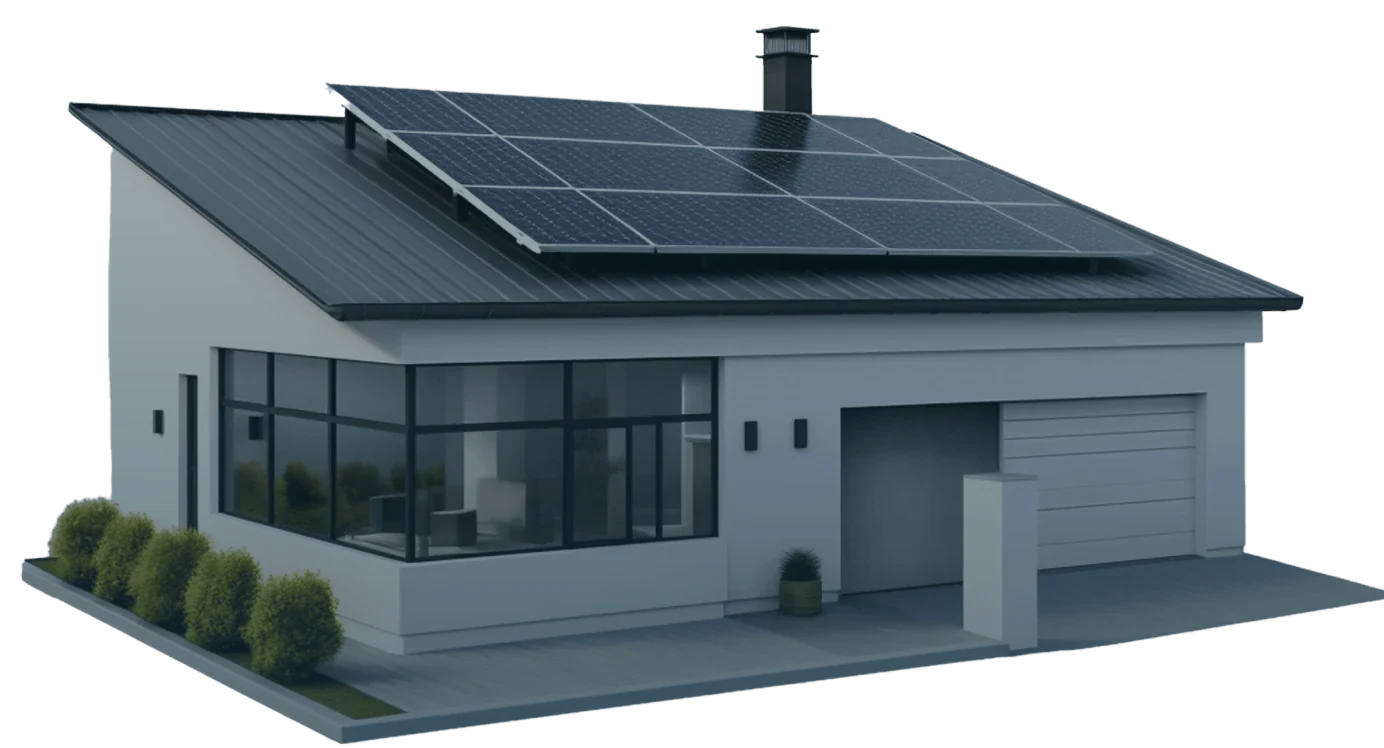
We design, install and look after solar and battery systems built around how your family actually uses energy.
Master Electricians, all in-house
Our team of 80+ skilled electricians designs, installs and looks after your system, from consultation to switch-on and beyond.
25 yrPanel warranty
1–2Days to install
$0Roof check
- Free call 0800 874 532
- Master Electricians
- Branches New Zealand wide
- Tier-1 solar panels
- Home batteries & EV charging
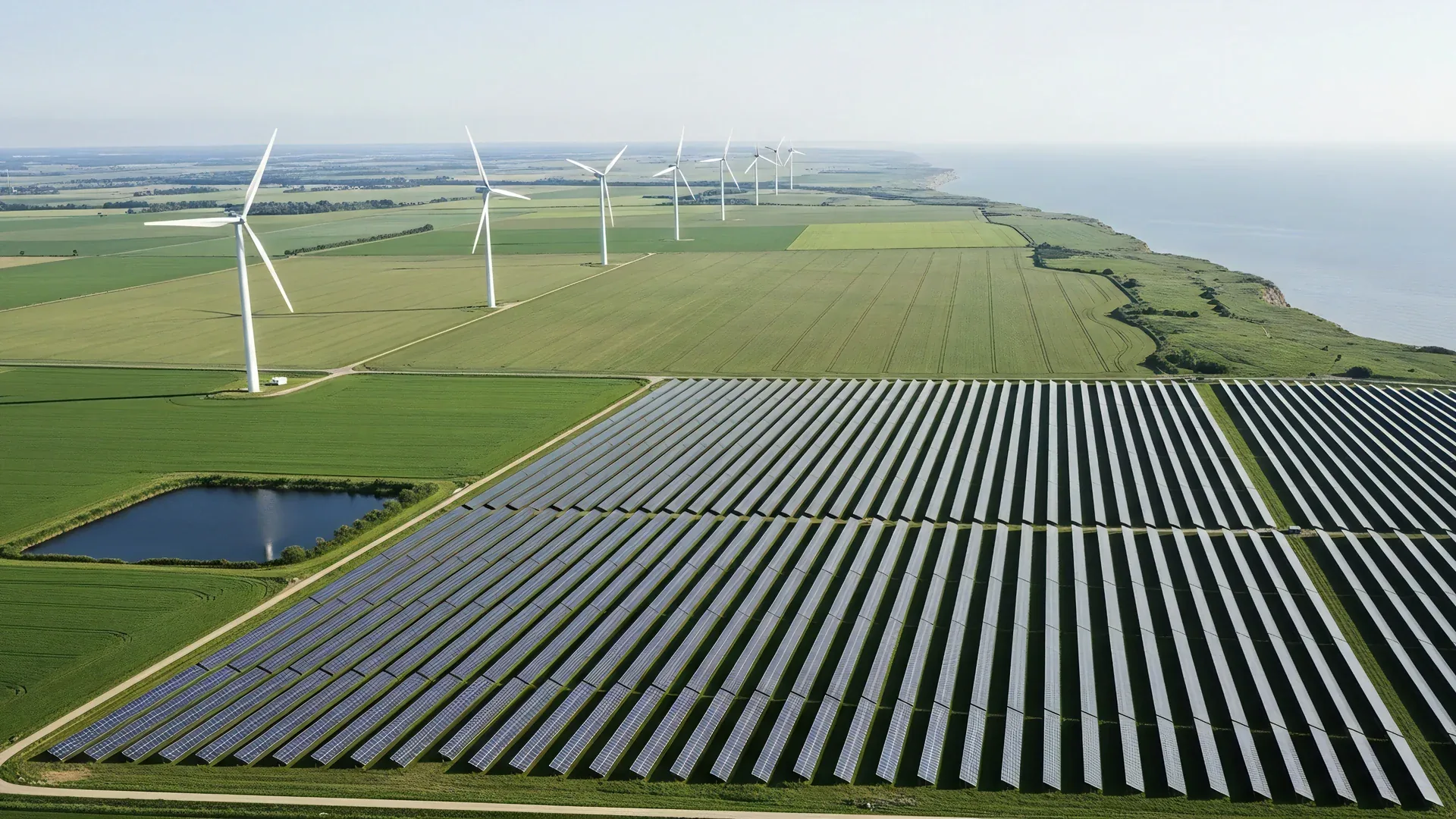
- Farm & commercial solar
- Free consultation
- Proven across 1000's of projects
- Free call 0800 874 532
- Master Electricians
- Branches New Zealand wide
- Tier-1 solar panels
- Home batteries & EV charging
- Farm & commercial solar
- Free consultation
- Proven across 1000's of projects
- Free call 0800 874 532
- Master Electricians
- Branches New Zealand wide
- Tier-1 solar panels
- Home batteries & EV charging
- Farm & commercial solar
- Free consultation
- Proven across 1000's of projects
Solar offers youMore value.
More value.
More control.
Every kilowatt you generate reduces your carbon footprint and your dependence on fossil fuels.
- Increased home valueA quality system is a lasting upgrade to your property.
- Greater energy independenceUse your own power first, day and night with a battery.
- Protection from rising costsRetail power prices rise about 7% a year on average.
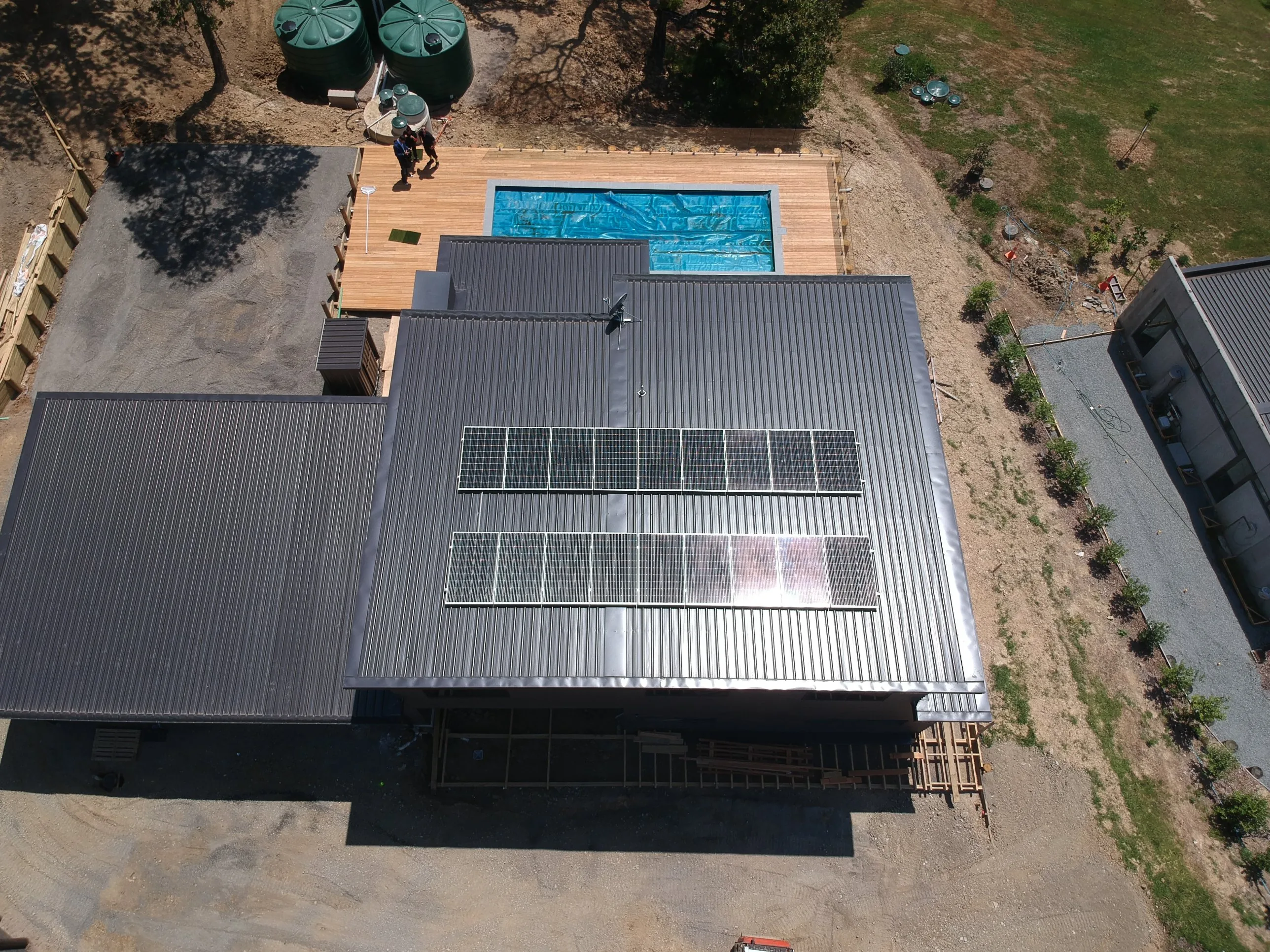
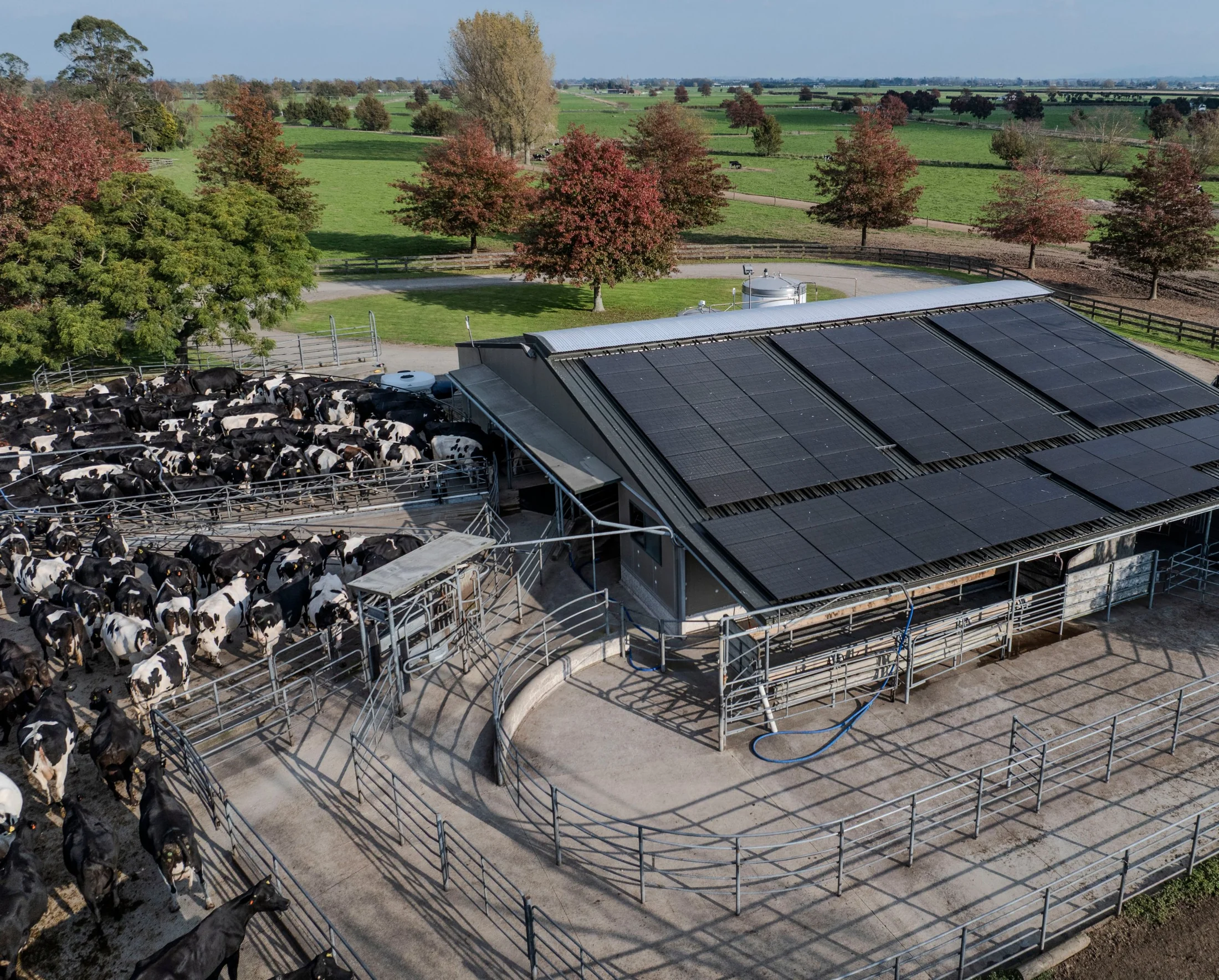
Our services
Solutions designed for you.
Every system is designed around your home, your energy use and what you want to achieve.
01
Solar panels only
A panel-only setup offsets your daytime electricity usage directly, the simplest and most cost-effective entry point into solar.
02
Solar + battery
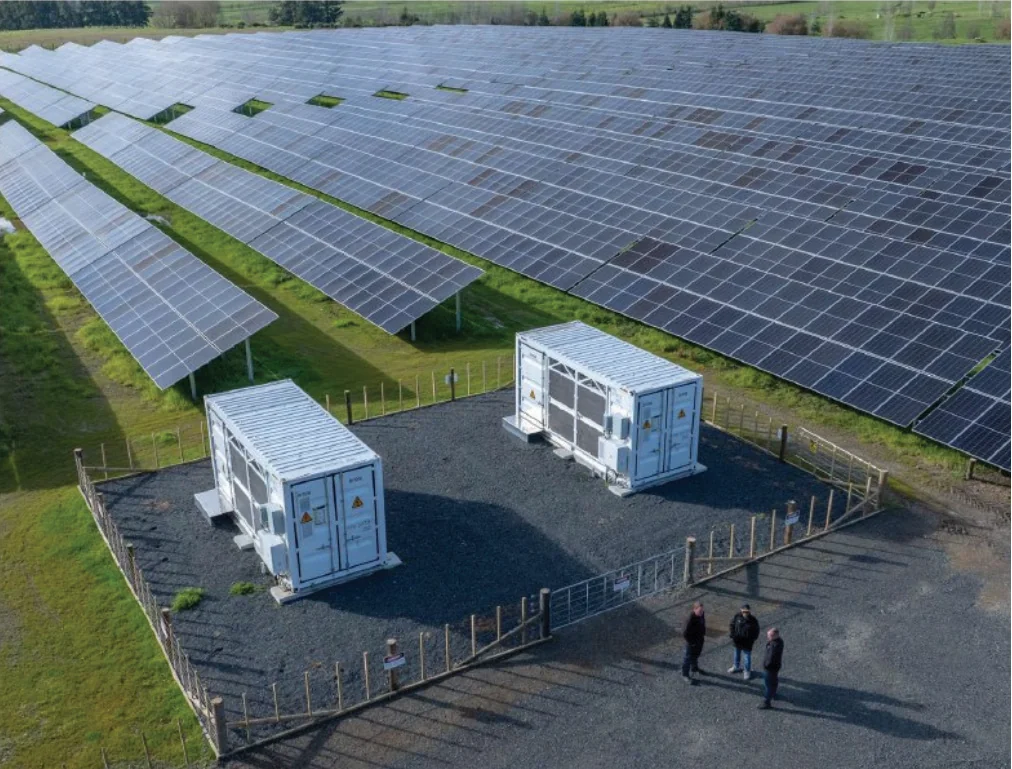
Store excess daytime solar energy and use it during the evening, overnight or when the grid goes down.
03
EV charging
Charge your EV from free solar energy during the day, or from stored battery power and off-peak rates.
04
Monitoring & after-care
Every system includes remote monitoring, so we can often spot a fault before you even notice a problem.
About us
A team of Master Electricians.
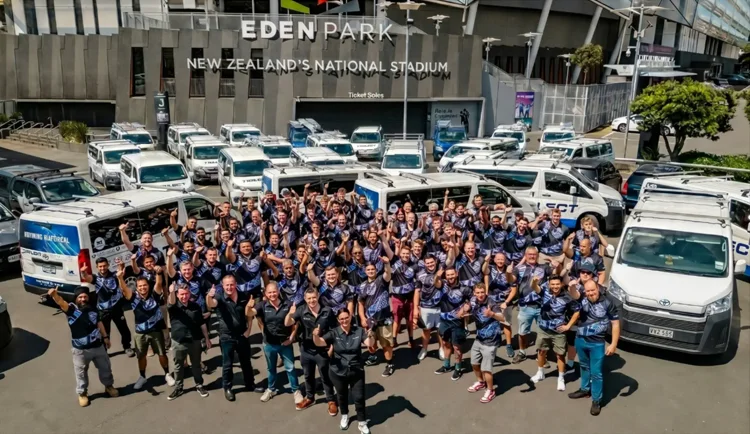
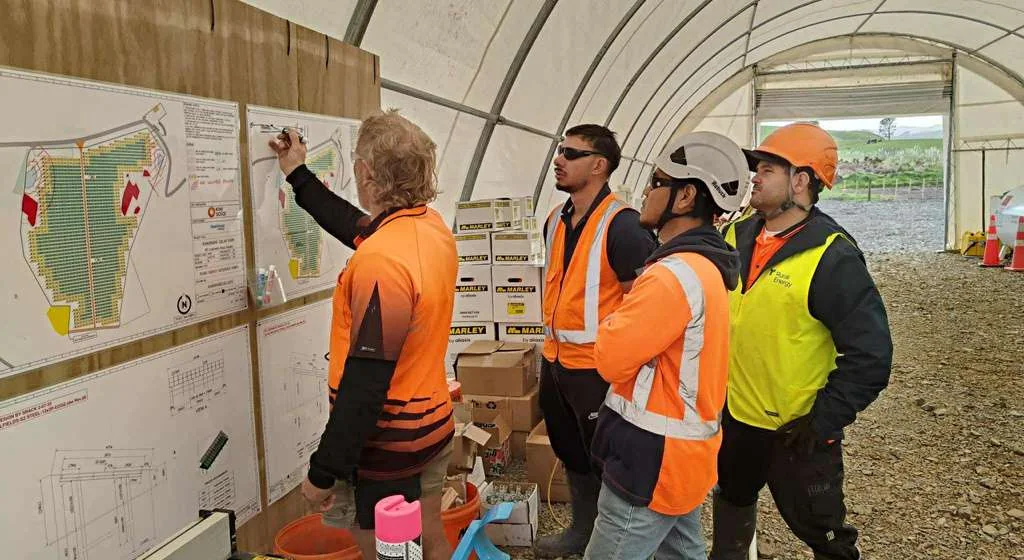
Our team of 80+ skilled electricians delivers trusted solutions in solar energy, commercial and residential electrical, gate automation and security, and commercial ventilation.
Master Electricians, all in-houseOur own team designs, installs and looks after your system, from consultation to switch-on and beyond.
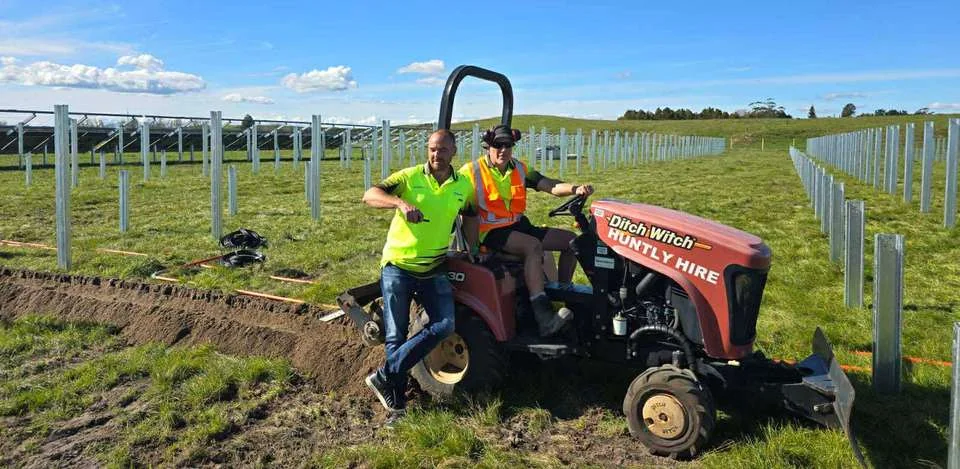
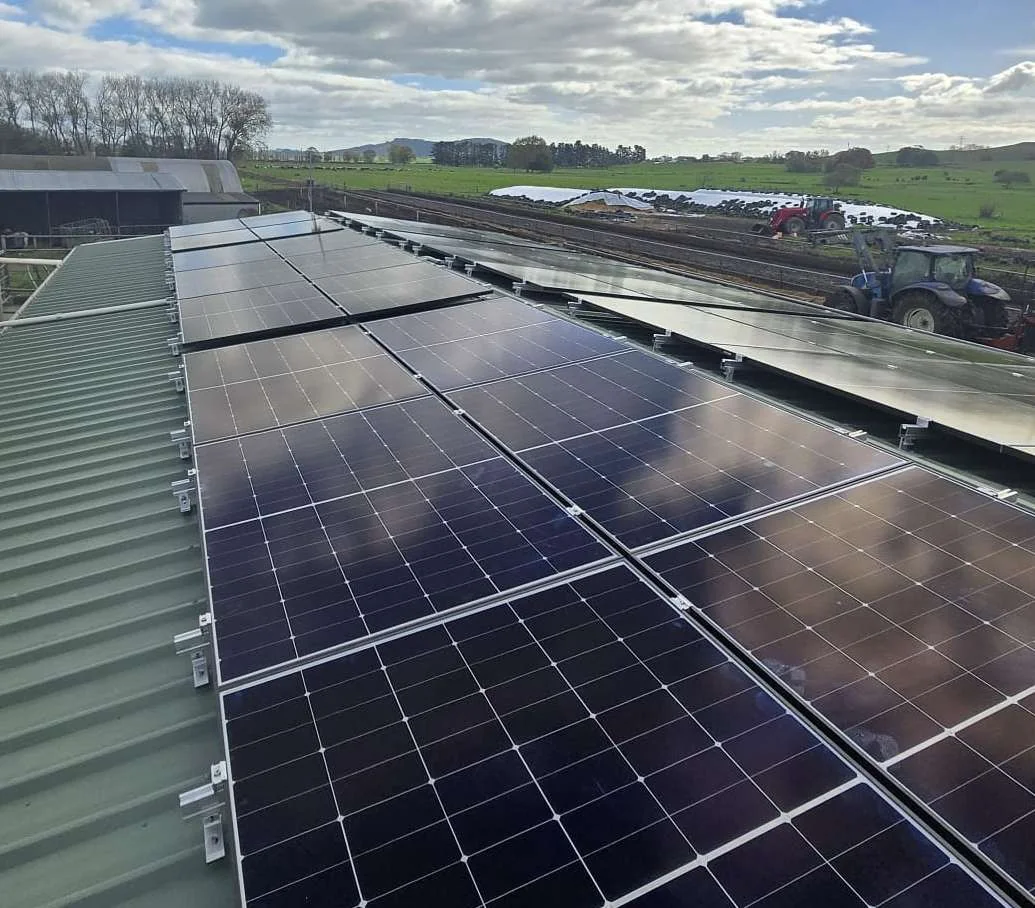
Homes, farms & businessesSolar, batteries and EV charging, with branches New Zealand wide.
Free consultationHonest advice and a system designed around how you use energy.
ExperienceReputationLeadership
The Solar Shop
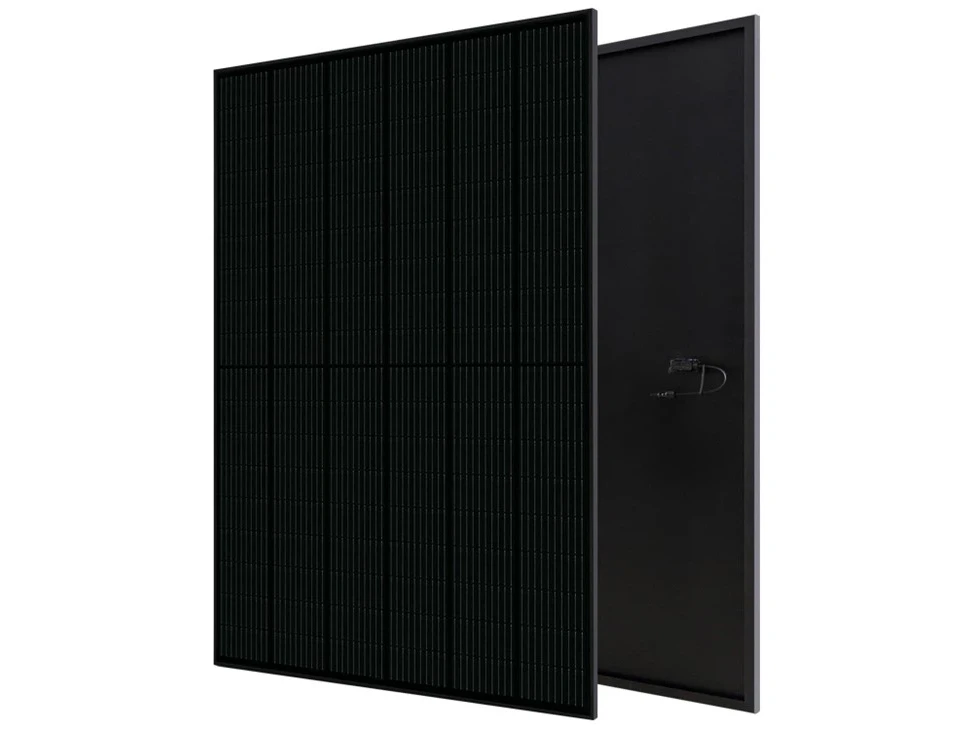
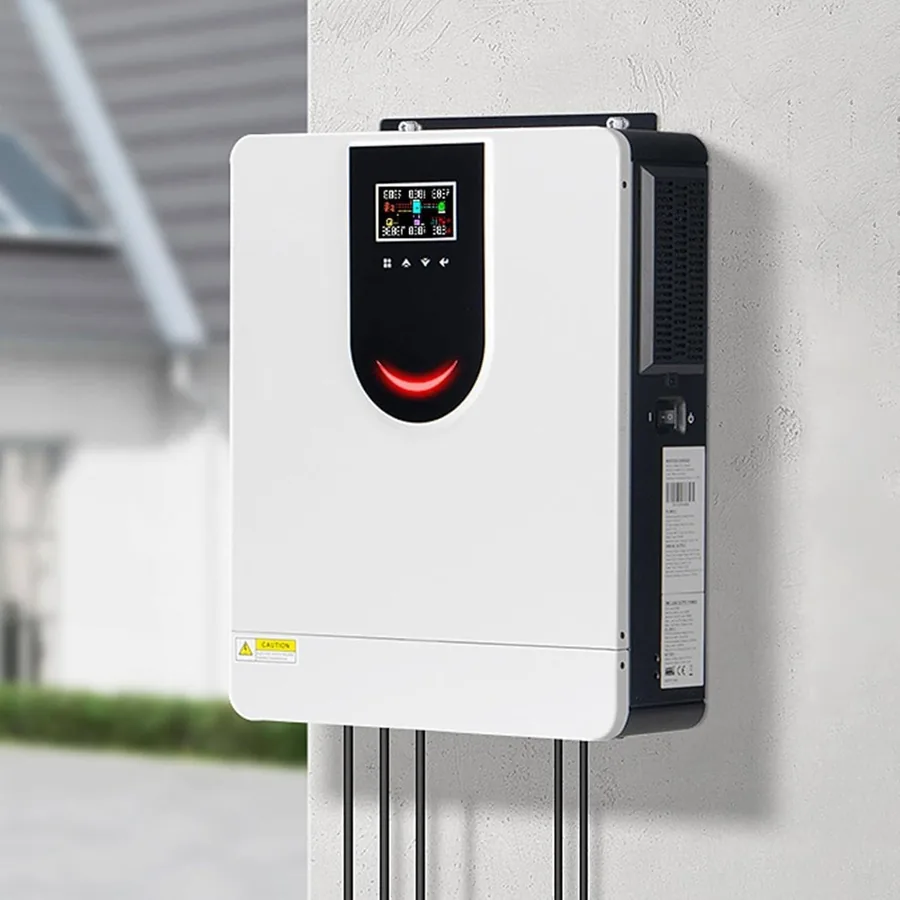
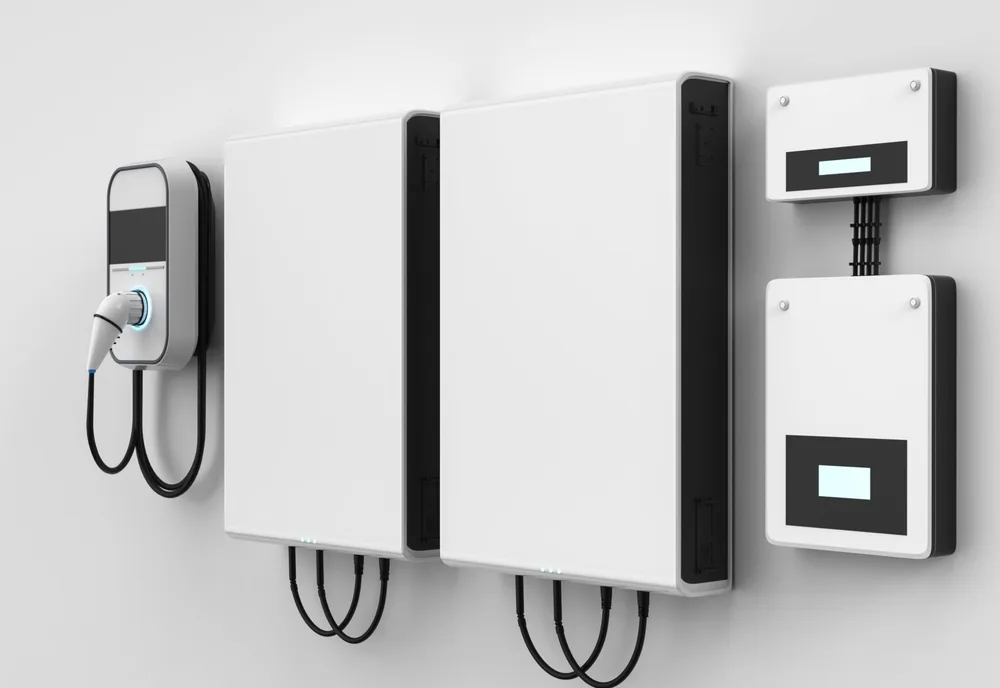
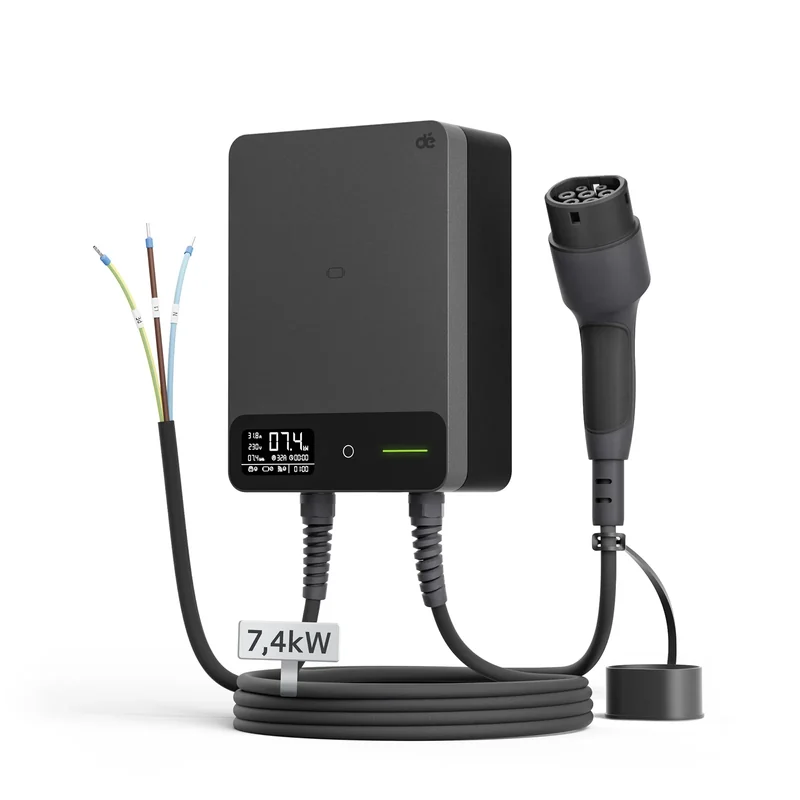
Browse all productsQuality gear, honest prices.

Our clients
Brands that trust us to deliver quality, every time.
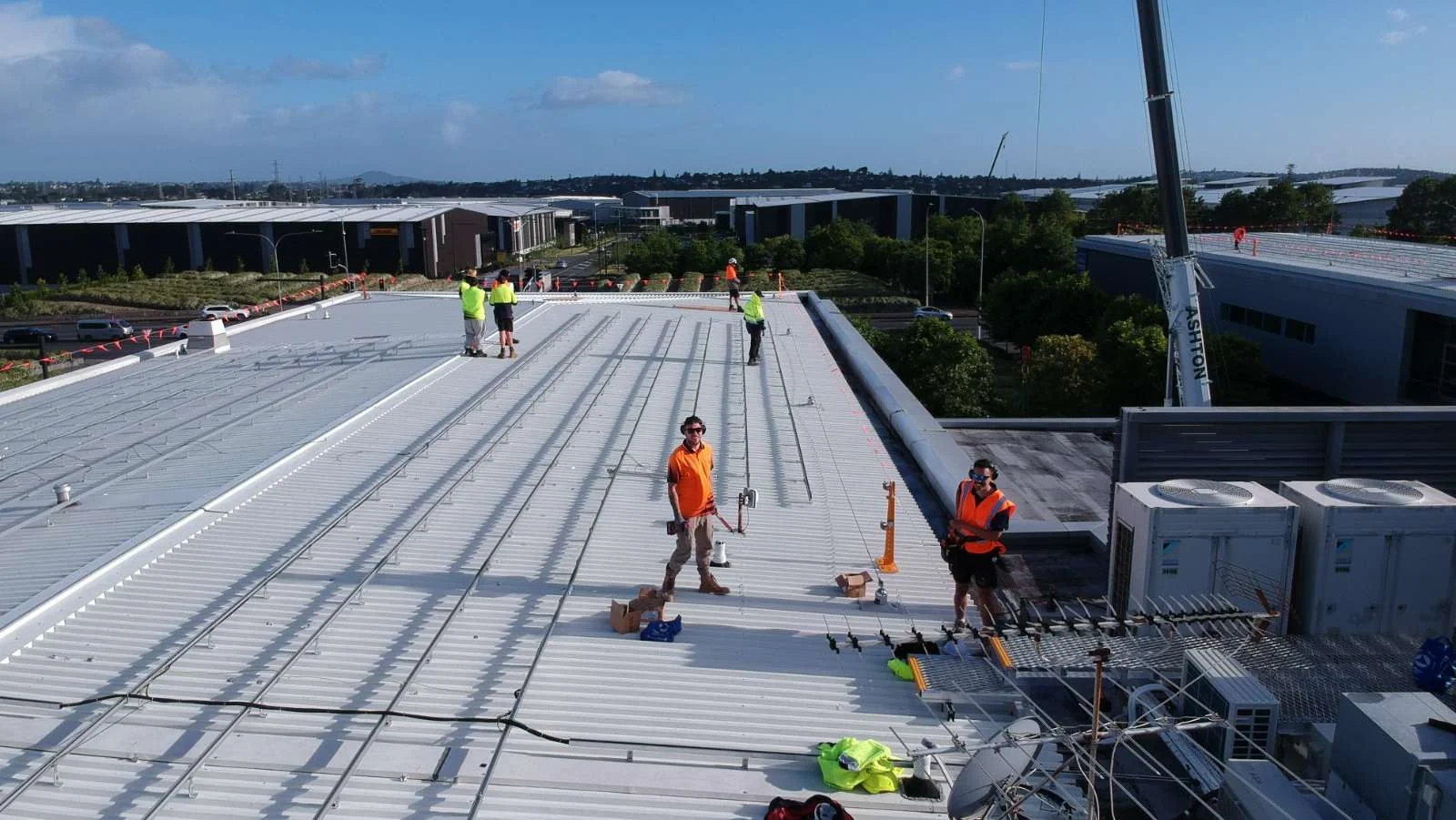
From IKEA and Kmart to Countdown, BP and WEL Networks, leading New Zealand businesses rely on our team for solar and electrical work done properly.
See commercial projectsFind the right solution
Your energy. Your way.
Thoughtful solutions. Clear next steps.
A simple, natural way to make the switch to solar.
- Tell us about your propertyA few details help us understand your home.
- Explore your optionsWe'll show tailored recommendations for your roof.
- Plan your next stepNo pressure, just clear advice to move forward.
Our impact
Clean energy. Real change.
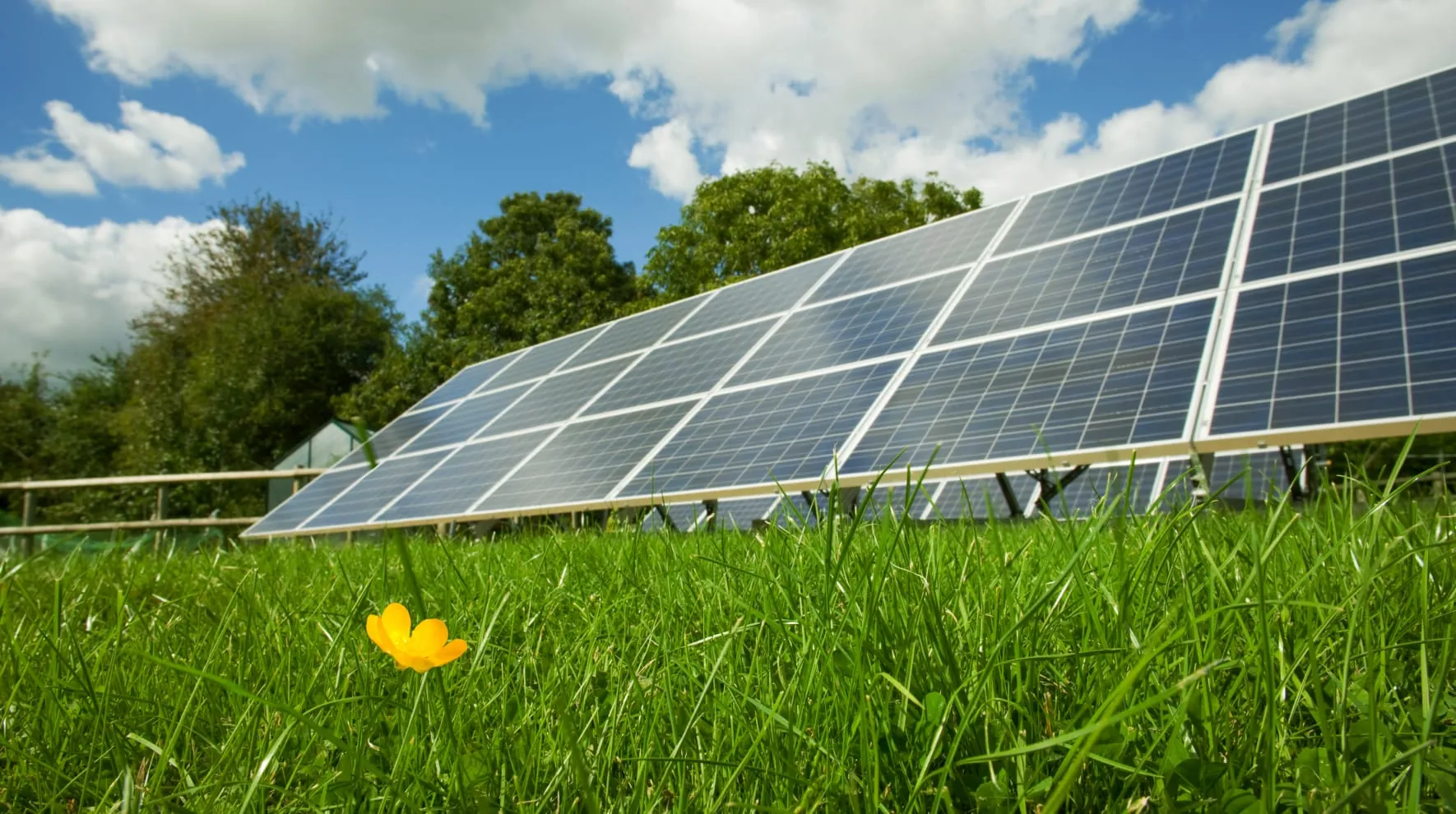
Every installation makes a real difference. Approx 130 grams of CO₂ is emitted for every kWh of grid power. Solar on homes, farms and businesses is a seriously effective way to a cleaner New Zealand.
~900kgLess CO₂ a year for a typical family
25yr+Of clean power from every panel
0 fuelNo fumes, no noise, just sunlight
FAQ
Common questions.
Can't see yours? Call 0800 874 532 (free) and a consultant will walk you through it.
Maximising your solar savings
The biggest factor is how much electricity you use while the sun is shining. The more power you consume directly from your solar system, the greater your savings.
To maximise daytime usage:
- Run your hot water cylinder during the day using a timer.
- Use heat pumps, air conditioning, underfloor heating and other high-consumption appliances during daylight hours.
- Schedule washing machines and dishwashers to run during the day where possible.
Two main options:
Option 1: Install batteries
- Store daytime solar energy for use at night.
- Maximises self-consumption.
Option 2: Oversize the solar system
- Export excess power during the day.
- Receive credits that offset night-time usage.
- Works best on plans with strong export rates.
Batteries can significantly increase savings by:
- Storing excess solar energy generated during the day.
- Supplying power during the evening and overnight.
- Reducing the amount of electricity purchased from the grid.
- For customers on peak/off-peak plans, batteries can also be charged during off-peak periods and used during peak-rate periods.
Example: a 6kW system installed 12 years ago is still producing large bills. Common causes and fixes:
- Ageing inverter – inverters generally have a shorter lifespan than panels; a larger, modern inverter can lift performance.
- Outdated panels – modern panels produce more power per square metre than older panels, so expanding the array can help.
- No battery storage – adding batteries increases self-consumption and cuts grid purchases.
Older appliances (10+ years) can use significantly more electricity than modern, energy-efficient equivalents. Worth reviewing:
- Refrigerators
- Washing machines
- Dryers
- Heat pumps
EV charging & solar
If your vehicle is home during the day, charging from solar is highly beneficial — you use free solar energy instead of exporting it to the grid.
If you're not home during the day:
- Off-peak EV charging plans are usually the most cost-effective option.
- With battery storage, you can charge the batteries with solar and use that stored energy to charge the EV later.
The best approach depends on solar system size, battery capacity and vehicle charging habits.
Choosing the right power plan
Lower usage / smaller solar systems — retailers with lower import rates and simpler pricing tend to work best.
Larger solar systems — retailers offering higher export buy-back rates are more beneficial:
- Standard buy-back: ~8c/kWh
- Premium buy-back: up to ~17c/kWh
General rule:
- Solar mainly supplements usage: prioritise low import rates.
- Solar greatly exceeds daytime usage: prioritise high export rates.
Many homeowners are considering replacing gas appliances as gas prices rise, but there are trade-offs:
- Power providers often offer lower electricity rates to customers who also have gas.
- Removing gas may increase electricity rates and daily fixed charges.
- Example: combined gas/electricity customers may pay ~22c/kWh, while electricity-only customers may pay closer to 32c/kWh.
While gas bills disappear, electricity pricing may increase — a full cost analysis should be done before converting.
Installation process
Typically 4–6 weeks, covering deposit payment, material procurement and scheduling.
- 30kW system: 3–4 days
- 100kW system: up to 2 weeks
No — as long as installers have access to the main switchboard (MSB) and the required electrical connection points, installation can proceed.
Weather delays don't add extra charges. The timeframe may extend, but the quoted project cost stays the same.
Maintenance & cleaning
- Roof pitch above 20°: every 1–2 years
- Roof pitch below 10°: every 4–6 months
Not adequately — regular maintenance is still recommended.
- Panel cleaning
- Inverter inspection
- Cable inspection
- Bolt and fixing checks
- General system health assessment
Use: clean water and soft microfibre brushes.
Avoid: chemicals, abrasive materials and high-pressure cleaning.
Dairy farms — more frequent cleaning is needed due to dust from farm roads, crop spraying and bird activity/droppings. Recommended every 6 months.
Coastal installations — require corrosion-resistant materials, stainless steel hardware and appropriate coatings on cut metal components. Recommended cleaning every 6 months to remove salt deposits.
Systems are engineered to suit local wind conditions, factoring in wind zone classification, mounting hardware strength, panel clamp locations and roof fixing spacings.
Warranty information
Residential:
- 25-year product warranty
- 30-year performance warranty
Commercial:
- 12-year product warranty
- 25-year performance warranty
- Solar installation workmanship: 10 years
- AC connection workmanship: 2 years (matching product warranties)
Established companies offer long-term warranty support, a proven installation history and access to manufacturer support networks — helping ensure warranty coverage throughout the product's life.
Power outages & backup
Solar-only system: No — for safety reasons, solar systems automatically shut down during grid outages.
Solar + battery + gateway: Yes — the gateway enables automatic isolation from the grid and backup power, with transfer typically fast enough that users don't notice the changeover.
No. The system automatically detects the outage, isolates from the grid and switches to battery power — no user intervention needed.
Systems can be configured to automatically start a generator, recharge batteries and shut the generator down once charging is complete — enabling largely automated off-grid operation.
Monitoring & support
Most systems include monitoring via mobile app or web browser, showing:
- Solar generation
- Household consumption
- Exported energy
- Battery performance
- Savings estimates
App accounts are set up during commissioning, with installer training available. Phone support and remote guidance are available afterwards if needed.
Many systems are monitored remotely, so faults may be detected before the customer notices.
During business hours: technicians can diagnose faults remotely and arrange site visits where necessary.
After hours: a support line is available, along with emergency call-out options if required.